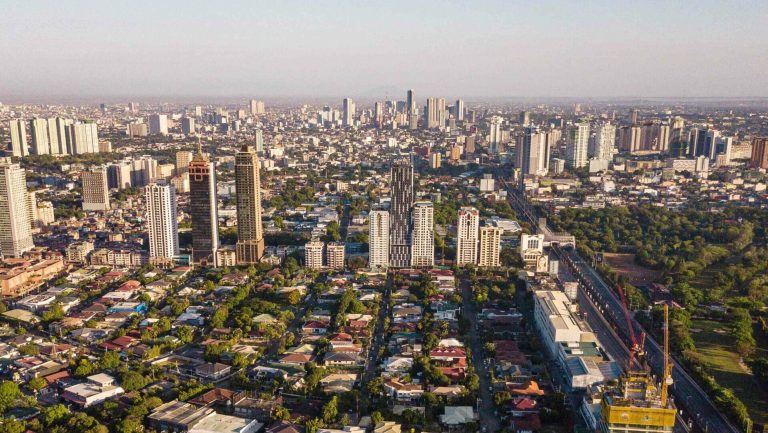
Ultra-Luxury: Still Soaring or Softening?
Has the market slowed down, or has it just gotten smarter? Some people look at fewer deals and less buzz and say things are slow. But others think we’re seeing something different. Buyers are pickier now. They want real value that lasts, not quick profits. This isn’t about things getting worse. It’s about the market growing up. Quality beats quantity now.
Beyond the Slowdown
We’ve all felt that shift. A few years ago, luxury condos were moving like hotcakes. Now? Things feel a bit quieter. But “quiet” doesn’t mean “weak.”
Yes, transaction volumes have dipped. People aren’t panic-buying anymore. We’re moving away from the “flipping” culture. Today’s buyers aren’t looking for a quick buck; they’re looking for a fortress for their capital.
The Tale of Two Markets
Market reports from Colliers Philippines show a simple pattern. When sales drop, it doesn’t mean the market is falling apart. It just means people stopped buying on impulse and started thinking things through.
Let’s get real for a second. The days of buying a condo just because it had a “luxury” label and a shiny lobby are over. People used to throw money at pre-selling projects, hoping to flip them in two years for a 30% gain. That was gambling, not investing.
Today? The vibe has shifted. The ultra-wealthy, the ones looking at Fort BGC, Makati, or Parañaque, have become incredibly picky. They aren’t just looking for a home; they’re looking for a fortress for their capital.
Here is the new strategy that’s driving every major transaction right now.
1. Is It Really That Rare?
In a city full of glass towers, “prime” is a word that gets thrown around way too much. To a strategic buyer, a property is only prime if it’s impossible to replicate.
Think about it this way: You can build a new tower anywhere, but you can’t build another one directly facing Ayala Triangle or tucked into the heart of Rockwell Center.
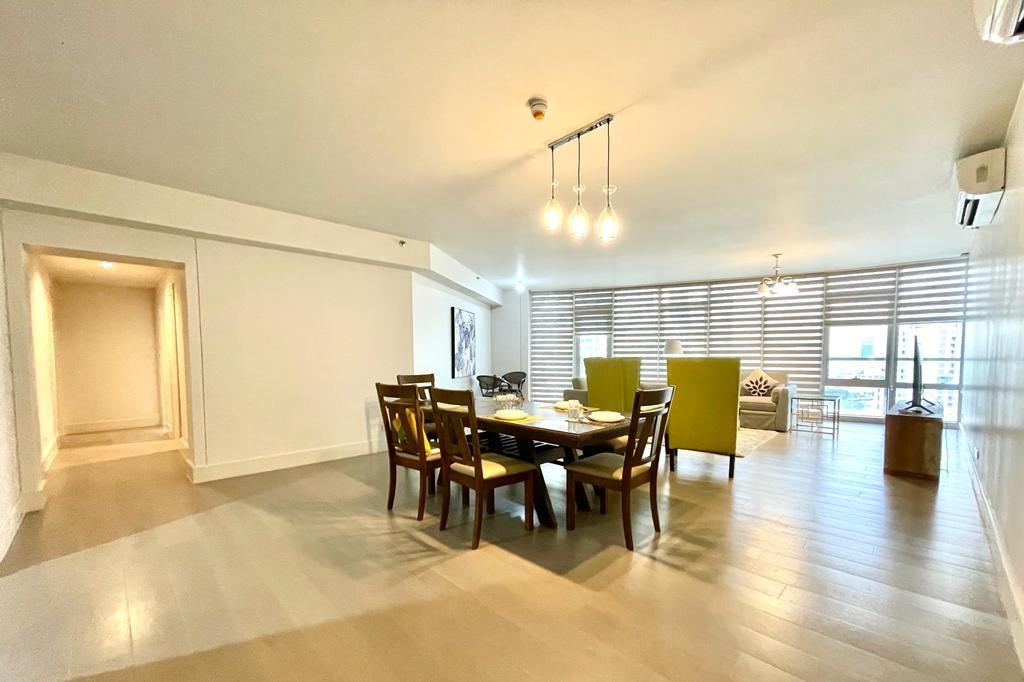
What “Truly Prime” Looks Like in 2026:
- The Unobstructed View: If a new tower can rise and block your view of the golf course in three years, your “luxury” unit just lost its edge.
- Low Density: We’re talking 2 to 4 units per floor, tops. If you’re sharing an elevator with 15 other people on your floor, it’s high-end, but it’s not ultra-luxury.
- The Neighborhood Micro-Climate: Is it walkable? Is it safe? Can you get a world-class espresso within 500 meters without hitting a main highway?
Has the ultra-luxury real estate market slowed down, or has it simply become more intelligent?
2. Can You Trust the Name on the Door?
In a maturing market, the developer’s track record is everything. Buyers are no longer willing to be the test subjects for a new player, even if the renders look amazing. They want to know that the building will be managed as well in year 20 as it was on day 1.
The Developer Credibility Matrix
| Feature | The “Gold Standard” Developer | The “High-Risk” Speculator |
| Maintenance | Dedicated in-house property management. | Outsourced to the lowest bidder. |
| History | Decades of capital appreciation in past projects. | Mostly “sold out,” but values dropped post-turnover. |
| Financials | Massive land bank and low debt-to-equity. | Relies heavily on pre-selling to fund construction. |
| Post-Sales | Active secondary market support. | You’re on your own once you get the keys. |
| The takeaway: A strategic buyer would rather pay a 20% premium for a developer like Ayala Land Premier, Shang Properties, or Rockwell Land because that premium is basically an insurance policy on their lifestyle. |
Wealth Preservation over Quick Flips
This is the biggest change. The conversation has moved from “How much can I make next year?” to “How much will this be worth when my kids are ready for it?”
Today’s buyers want things that hold up over time. They look for assets that work like safe havens when inflation hits or the economy gets rocky.
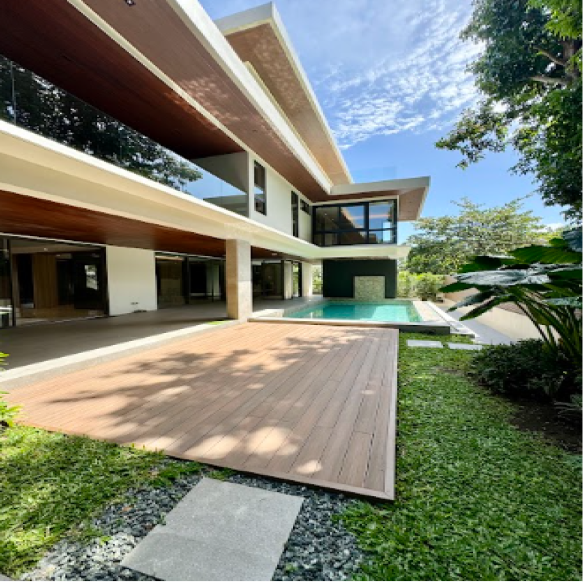
Why 10–15 Years Is the New Benchmark:
- Land Runs Out: There’s only so much space in Makati and BGC. When cities grow, the center gets way more valuable.
- Easy to Rent: Rich tenants love these places. CEOs and diplomats want somewhere nice and stable. They pay well and stay put.
- Stays Nice: Smart buyers check the building fees and repair funds. They want to know the place will look good for years to come.
The market is no longer driven by speculation. It is driven by wealth preservation, discipline, and long-term fundamentals.
If you’re looking at a property right now and you can’t confidently check all three of these boxes: Prime, Credible, and Durable, then you’re not buying ultra-luxury. You’re just buying an expensive apartment.
The market hasn’t cooled off; it’s just stopped settling for “good enough.” It’s rewarding the developers who actually deliver on their promises and the buyers who have the patience to wait for the right asset.
The New Rulebook: From Speculation to Smart Choices
Remember 2018? It felt like anyone with a down payment was a “real estate mogul.” Those days are gone, and honestly? That’s a good thing. The market has matured, and so have the buyers.
Asking the Hard Questions
Today’s buyers don’t just glance at shiny brochures or flashy renderings. They dig deep.
- Is the developer reliable?
- Will this project finish on time?
- Will the building still look iconic in 2040, or will it be another forgotten tower?
These questions are no longer optional; they’re essential.
Buyers want to know about the developer’s track record, financial health, and commitment to quality. They want transparency about maintenance fees, building management, and long-term upkeep. It’s about trust and accountability.
Transaction volumes have softened, yes. But prices in prime developments remain resilient. And that distinction matters.
Legacy Wealth Over Quick Gains
The game has changed from chasing fast flips to building lasting legacies. Buyers are thinking beyond their own lifetimes. They want properties they can proudly hand down to their kids or even grandkids.
This means focusing on durability, location, and timeless appeal. It’s less about riding market hype and more about preserving wealth through smart, patient investments. The mindset is wealth preservation, not speculation.
Why This Shift Matters
This new approach stabilizes the market. It weeds out risky, speculative projects and rewards those with real substance. It also means prices in prime developments hold strong, even if transaction volumes dip.
Buyers become partners in the long haul, not just transient investors. This creates healthier communities and more sustainable growth overall.
What Buyers Should Look For Now
- Prime Location: Is the property in a truly rare spot? Can it be replicated? Views, neighborhood vibe, and accessibility all matter.
- Developer Credibility: Check their history. Have past projects maintained value? Are they financially solid?
- Building Quality: Low density, thoughtful design, and future-proof amenities count. No one wants to share an elevator with 15 neighbors.
- Long-Term Management: Who handles maintenance after the sale? A strong in-house team means better care.
The ultra-luxury market isn’t slowing down; it’s growing up. It’s rewarding smart, disciplined buyers who want real value and lasting quality.
If you’re still thinking like it’s 2018, it’s time to update your playbook. Because today, it’s all about legacy, trust, and making choices that stand the test of time.
The market is no longer driven by speculation. It is driven by wealth preservation, discipline, and long-term fundamentals.
Where’s the Opportunity?
If you’re sitting on the sidelines waiting for a “crash,” you might be waiting a long time for the wrong thing. The opportunity isn’t in a price collapse; it’s in the maturation of the ultra-luxury market. This is a market that’s evolving, getting smarter, more discerning, and more resilient.
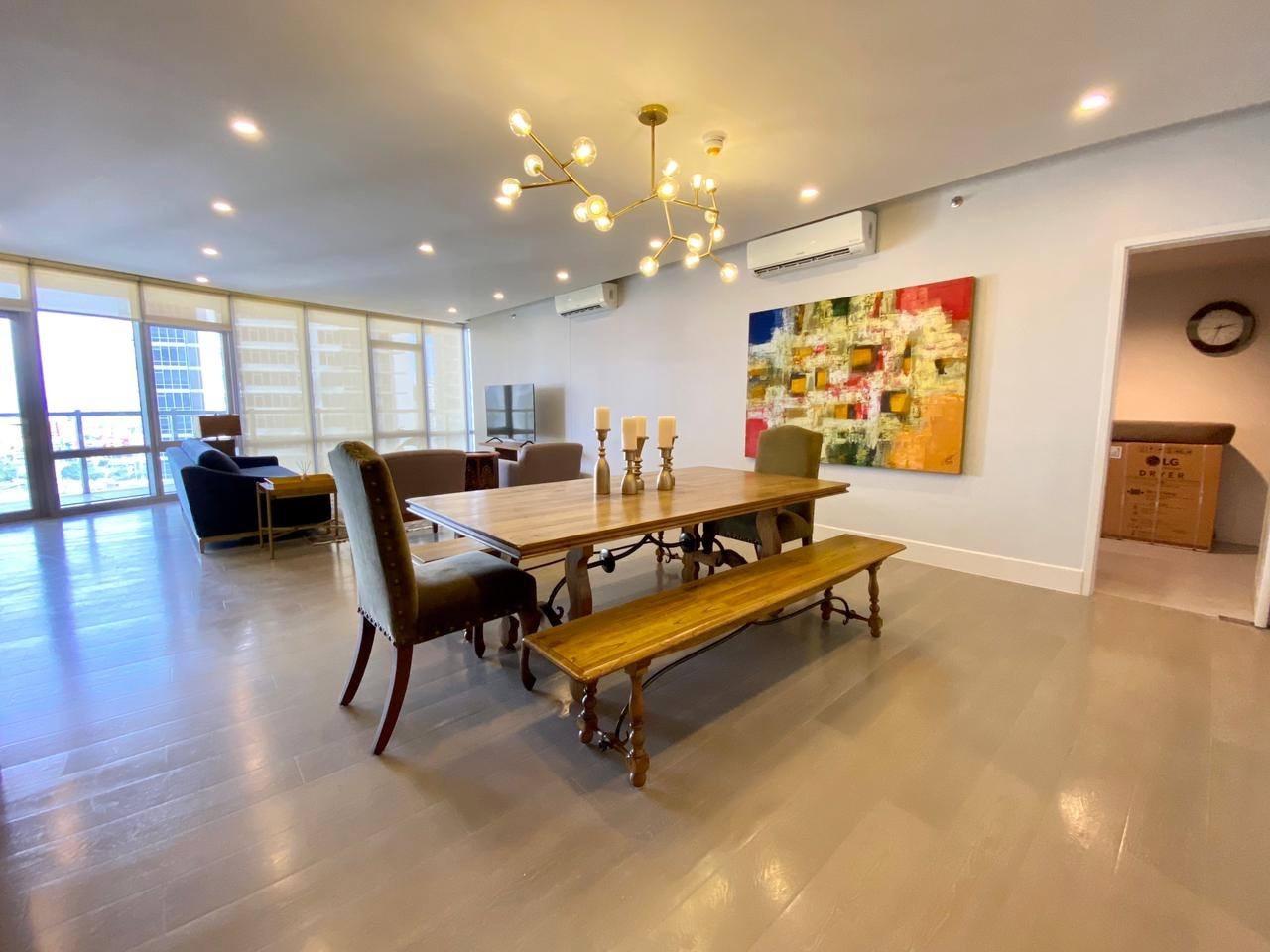
1. Identifying the “Trophy” Units
Not all luxury units are created equal. Some command a premium even in a slow market. Why? Because they have qualities that make them truly rare and desirable, what we call “trophy” assets.
Here’s what sets a trophy unit apart:
- Unmatched Location: Think waterfront views, proximity to cultural hubs, or exclusive neighborhoods that can’t be replicated.
- Limited Supply: Buildings with low density, few units per floor, or unique architectural designs.
- Irreplaceable Features: Private elevators, expansive terraces, or historic significance.
- Strong Developer Reputation: Backed by brands known for quality and long-term management.
These factors create scarcity and drive demand, even when the broader luxury segment faces pressure.
2. Strategic Entry: Spotting Negotiable Gems
While trophy units hold their value, savvy buyers can find “negotiable” luxury units with potential to become future classics. Here’s how:
- Look for Emerging Neighborhoods: Areas undergoing revitalization or new infrastructure projects often have hidden gems.
- Focus on Upcoming Developments: Early-stage projects by credible developers can offer better prices before the hype.
- Assess Building Amenities: Properties with thoughtful amenities like wellness centers, co-working spaces, or green design.
- Analyze Market Trends: Watch for units with price adjustments due to temporary factors, not fundamental issues.
By understanding these points, buyers can enter the market strategically, securing value before prices catch up.
Why Maturation Matters More Than a Crash
The ultra-luxury market isn’t about quick flips or speculative bubbles anymore. It’s about long-term value and wealth preservation.
- Stable Pricing: Prices may soften but rarely crash due to limited supply and strong demand from wealthy buyers.
- Quality Over Quantity: Buyers prioritize lifestyle brands and developers with proven track records.
- Resilience to Economic Shocks: Ultra-luxury properties often hold value better during downturns.
- Growing Demand: Despite economic uncertainties, the appetite for unique, secure, and exclusive assets remains strong.
Quick Facts: Ultra-Luxury Market Dynamics
| Aspect | Insight |
|---|---|
| Price Fluctuation | Typically less volatile than mass-market real estate |
| Inventory Levels | Often very low, driving scarcity and price support |
| Buyer Profile | Ultra-wealthy, often seeking legacy assets |
| Market Drivers | Location, developer credibility, and unique features |
| Investment Horizon | 10-15 years or longer for optimal wealth preservation |
Opportunity Lies in Understanding
Waiting for a dramatic crash is a gamble. The real chance to build lasting wealth is by understanding the market’s maturation. Focus on trophy assets and strategic entries. Look beyond headlines and hype. That’s where the smart money is and where you want to be.
Ultra-luxury has not weakened; it has matured. And mature markets reward informed decisions.
Cutting Through the Noise
At the end of the day, you have to decide who you’re listening to: the loudest person in the room or the one with the most data. We don’t just help people “buy houses.” We help them identify assets.
If you want to navigate this without the headache of “headline stress,” let’s talk. We’re here to help you find the signal in the noise.
HousingInteractive: Your Advisor in the High-Stakes Market
We think privacy and good information matter most in high-end real estate. We’re the first property portal in the Philippines. We show you properties that aren’t listed anywhere else. These are verified expensive homes that you won’t find on other websites. We give you the real details. Actual sale prices. This helps you buy smart, not just expensive.
HousingInteractive, the Philippines’ first property portal, delivers property solutions and helps people who want quality properties. Don’t get confused by all the market talk out there. Look at our collection of luxury homes and penthouses. Find a property that will last for generations.