
Securing Balconies and Windows: A Guide to Proofing Your Condo
Protect your condo unit from heavy rains and security threats. Learn tips for securing balconies and windows to prevent costly water damage and enhance condo security.
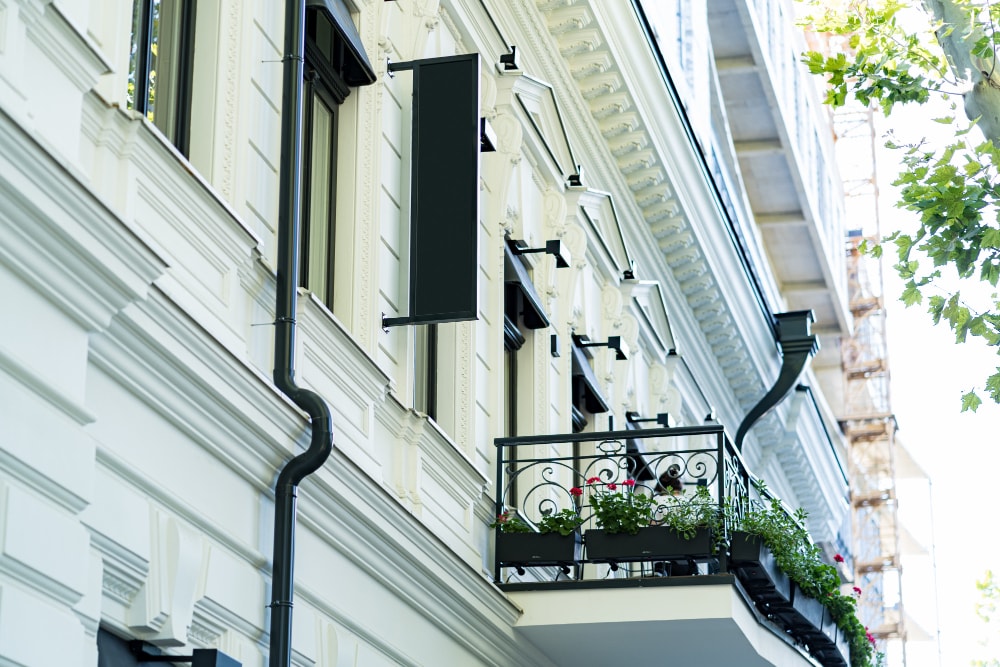
Weather-Proofing and Balcony Security Systems: Essential Upgrades for Your Condo
We think about luxury in our homes. Beautiful views. Stylish furniture. High-end finishes. But weather-proofing and effective security systems matter just as much now. But weather-proofing and good security matter just as much now. This hits harder if you’re in a high-rise condo with big windows and open balconies. Those floor-to-ceiling windows and sliding doors? They look nice. But they’re in trouble when heavy rains hit during the monsoon season. Or when someone tries to break in. Small leaks don’t seem like much at first. Wrong. They mess up your condo’s structure and how it looks over time. And fixing that stuff costs serious money. Want to weather-proof your balcony and windows? Take some basic steps. It keeps your place safe and comfortable year-round.
A few simple checks today can prevent costly damage and security risks tomorrow.
How Do I Prepare My Balcony for Heavy Rain and Enhance Security?
Balconies and windows add charm to condo living, but they also come with their own set of safety, fire, and weather challenges. Taking the right steps to prepare and secure these areas helps protect your condo from damage and keeps your family safe. Here are some easy safety measures, balcony security tips, and maintenance ideas to keep your condo balcony and windows in great shape.
- Clear the Path: Regularly inspect and clean floor drains to remove debris such as leaves, dust, and dirt. This prevents water pooling and potential flooding during storms.
- Assess Outdoor Furniture: Check the wind-resistance of your balcony furniture. Lightweight pieces can become hazardous projectiles in strong winds. Secure or store them indoors before bad weather hits.
- Manage Textiles: Move rugs, cushions, and fabrics indoors to protect them from water damage and prevent mold growth.
Securing your condo balcony and windows is critical to prevent break-ins, accidental falls, and other hazards. Here are key security features to consider:
1. Balcony Doors, Railings, and Security Gates
- Install Keyed Safety Locks and Smart Locks: Use high-quality keyed locks or consider installing smart locks on balcony doors to prevent unauthorized access and enhance condo security.
- Fit Anti-Lift Devices on Sliding Glass Doors: Sliding balcony doors are vulnerable to forced entry; anti-lift devices can stop intruders from lifting doors off their tracks.
- Add Safety Netting and Security Gates: Installing safety netting and security gates along balcony railings helps prevent accidental falls, especially for children and pets, and deters unauthorized entry.
2. Preventing Balcony Break-Ins and Enhancing Condo Security
- Visible Security Cameras: Mount weatherproof security cameras focused on balcony doors and ground-floor balconies. Visible cameras act as deterrents and provide real-time monitoring.
- Locking Bars on Sliding Doors: Adding locking bars on sliding door tracks enhances door security by preventing forced sliding.
- Reinforce Door Frames: Use heavy-duty strike plates to strengthen door frames against forced entry.
- Coordinate with Building Management: Work with your building management to ensure security systems comply with condo community guidelines and to report any security concerns.
3. Windows, Fire Safety, and Interior Safety
- Window Stops and Guards: Install window stops to limit how far windows can open, reducing fall risks. Window guards add extra protection for low windows near balconies, especially on upper floors.
- Cordless Window Coverings: Replace blinds with cordless options to eliminate strangulation hazards for children.
- Childproof Electrical Outlets: Cover unused outlets with tamper-resistant caps and keep charging cords away from balcony doorways.
- Smoke Detectors and Fire Extinguishers: Install smoke detectors near balconies and windows, and keep fire extinguishers accessible as part of your fire safety precautions.
4. Lighting and Exterior Deterrents
- Install Motion Sensor Lights: Place motion-activated lights above balcony entries to illuminate dark areas and deter intruders.
- Eliminate Hiding Spots: Remove or trim plants and shrubs near balconies to reduce potential cover for burglars.
How to Keep Your Balcony Dry, Secure, and Safe
Good drainage matters more than you think. Most people ignore it. But without it, heavy rain pools up, leaks happen, and you get structural damage. Mold too. Here’s what you need to know to keep your balcony dry, secure, and your home safe.
1. Check Your Balcony’s Slope and How Fast Water Drains
Your balcony needs a slight slope. Water should flow toward the drains. The slope is usually 1-2% (about 1/8 inch per foot). Here’s how to check:
- Look around: Spot any flat areas or low spots where water sits.
- Pour water: Use a bucket at different spots. See how fast it moves toward the drain.
- Get help: Not sure? Hire someone to measure the slope and tell you what needs fixing.
A good slope stops standing water. Standing water causes leaks and damage.
2. Find Spots Where Water Pools and Could Leak
Water pools when it gets stuck in low spots or blocked drains. Then it seeps through cracks into your living room. Watch for:
- Blocked drains: Leaves, dirt, and junk clog floor drains. Water can’t flow.
- Damaged membranes: The waterproof layer under balcony tiles cracks over time.
- Cracks in floors or walls: Water gets through these and goes where it shouldn’t.
3. How to Stop Pooling and Leaks:
To keep your balcony safe, dry, and secure, clean the drains monthly during heavy rains, avoid placing rugs or furniture that block water flow, regularly inspect tiles and grout for cracks and repair them promptly, and consider installing balcony safety netting that allows water to pass through while preventing falls.
4. What to Do and When
| Task | How Often | Why |
|---|---|---|
| Clear balcony floor drains | Monthly | Prevent clogging and pooling |
| Check slope and surface | Once a year | Make sure water flows right |
| Check waterproof layers | Every 2-3 years | Stop leaks and water damage |
| Fix cracks and seal grout | When needed | Keep the water barrier working |
Why Drainage Helps Keep Your Balcony Safe
Good drainage does more than protect from water damage. It makes your balcony safer:
- No slippery floors: Standing water grows algae and mold. Makes floors slick.
- Protects railings and furniture: Water damage weakens metal railings. Ruins outdoor furniture.
- Prevents fires: Water getting into electrical systems can cause short circuits or fire hazards.
Fix drainage issues, and you help keep the whole high-rise building safer. Less water damage means a stronger structure. Test and maintain your balcony drainage. It’s key to keeping your balcony and windows secure. It stops water damage and makes your home safer and more comfortable. Don’t skip this on your balcony safety list.
Practical Tips for Tenants and Owners in Condo Communities
Living in a condo with balconies and large windows is wonderful, but it comes with responsibilities. Whether you’re a tenant or an owner, taking care of your balcony and windows can save you from costly repairs and keep your home safe during heavy rains, storms, and potential security breaches. Here are some practical tips tailored for different lifestyles and needs.
For the Minimalist: Weather-Resistant Furniture Choices
If you prefer a simple, low-maintenance balcony, choosing the right furniture is key. Weather-resistant furniture helps you avoid the hassle of moving items indoors every time it rains.
- Materials to Look For: Synthetic wicker, aluminum, teak, and resin are durable and resist water damage.
- Benefits: These materials dry quickly, resist mold and mildew, and maintain their appearance over time.
- Maintenance Tips: Clean furniture with mild soap and water monthly to keep it looking fresh.
- Avoid: Lightweight furniture that can be blown over by strong winds or absorb water and get damaged.
By selecting weather-resistant pieces, you reduce clutter and protect your balcony from damage, creating a safer environment.
For the Green Thumb: Managing Potted Plants and Balcony Drainage
Plants add life and color to your balcony, but they can also cause problems if not managed properly.
- Prevent Soil Clogging: Use trays under pots to catch excess water and soil. This prevents soil from washing into balcony drains.
- Choose the Right Pots: Opt for pots with drainage holes and saucers to control water flow.
- Regular Cleaning: Clear leaves and debris from around plants weekly to avoid drain blockages.
- Plant Placement: Keep plants away from balcony edges to avoid accidents and reduce wind damage.
- Watering Routine: Water plants early in the day to allow excess moisture to evaporate, reducing mold and slippery surfaces.
Proper plant management helps maintain balcony drainage, preventing water pooling and structural damage.
Additional Tips for All Residents
Regardless of your lifestyle, these tips can enhance your balcony and window safety and security:
- Regular Inspection: Check for cracks in tiles, grout, or balcony walls every few months. Early repairs prevent leaks.
- Secure Balcony Furniture: Anchor heavier furniture during storm seasons to prevent accidents.
- Use Safety Netting and Security Gates: Install netting and gates to protect children and pets from accidental falls and unauthorized access.
- Check Window Seals: Inspect window seals annually to prevent water intrusion during heavy rains.
- Keep Drains Clear: Monthly cleaning of balcony drains ensures water flows freely.
- Install Motion Sensor Lights: These deter intruders and increase visibility at night.
- Coordinate with Building Management: Report any security or maintenance issues to building administration to ensure prompt action and compliance with condo community safety precautions.
Why These Tips Matter
Balconies and windows are vulnerable points in condo living, especially in ground-floor balconies and upper floors with easy access. Regular property maintenance combined with security measures protects your investment and ensures a safer environment for your family. Ignoring these can lead to balcony security risks, water damage, fire hazards, and increased risk of break-ins.
Remember, securing balconies and windows is essential to protect your condo from weather-related damage and security threats. By integrating these practical tips, you create a secure environment that withstands storms, prevents unsupervised access, and keeps your loved ones safe.
Tenants, avoid leaving furniture or fabrics exposed to rain splashes. Keeping these areas dry preserves the integrity of your living space and enhances fire safety.
Secure Your Balcony and Windows for Peace of Mind and Emergency Preparedness
Protecting your condo’s balconies and windows is more than just a maintenance task; it’s a vital step toward ensuring the safety, security, and comfort of your home and loved ones. By taking simple yet effective precautions, including installing security cameras, smart locks, smoke detectors, and motion lights, you can prevent costly damage, reduce security risks, and enjoy your beautiful views without worry.
At HousingInteractive, the Philippines’ first property portal, we understand the importance of a safe and secure living environment. That’s why we provide expert property solutions to help you safeguard your condo unit, from securing balconies and windows to enhancing overall condo security and emergency preparedness.
Take control of your home’s security today. Explore our resources and connect with trusted professionals who can help you implement the best security features for your condo unit. Secure your space, protect your family, and enjoy condo living with confidence, because at HousingInteractive, your peace of mind is our priority.