Real Estate Scams: Why You Should Never Pay to Apply
Think you found the perfect job or rental? If they ask for a fee upfront, walk away. Learn how to spot real estate scams and the “pay-to-play” trap today.
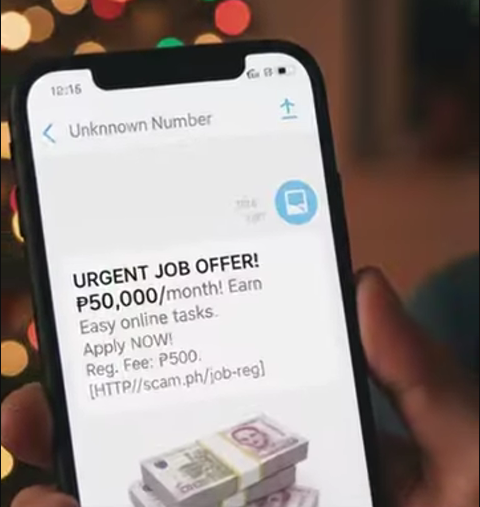
People want extra money. That’s just how it is right now. Side gigs and quick money schemes are all over the place. So people listen when someone promises easy cash. Scammers know this. They use the need for money to trap people.
Why Scammers Target Your Wallet
One common trick is the “registration fee” or “processing fee.” Scammers pretend you need to pay this fee to apply for a job, rent a property, or even buy a home. It sounds official, but it’s a red flag. Legitimate employers or real estate professionals don’t ask for money upfront just to consider you.
Here’s why this fee is a scam:
- You give money and get nothing back. That’s it.
- They make you think you have to decide right now. But that’s just pressure.
- They go after people who really need money or a place to live. Easy targets.
Real Opportunities Pay You, Not the Other Way Around
Here’s a simple rule: real jobs and real estate deals don’t make you pay to apply. Real companies make money after they do the work for you. They pay you or earn commissions from completed deals. They invest in you first.
If someone wants your money upfront, that’s a red flag. You’re probably dealing with a scammer.
Quick Tips to Avoid Paying Scam Fees
- Always ask for a written explanation of any fees.
- Verify the credentials of the real estate agent or employer.
- Never wire money or send cash upfront.
- Check online reviews and official licenses.
- Trust your gut — if it feels off, it probably is.
Remember, staying alert and informed is your best defense against real estate scams. Your money should always stay in your pocket until you see real value.
Extra income is attractive, and scammers know it. If a job opportunity asks you to pay a registration fee, run!
How the “Job Offer Scam” Has Pivoted to Real Estate
Scammers are clever. They reuse tricks that work. You see this all the time: they take a successful scam and just change the bait. Right now, many are switching from fake job offers to fake real estate listings. Here’s how it works and what you should watch for.
1. The Mirror Effect: Same Script, Different Target
Scammers use the same tricks for job scams and real estate scams. Here’s what they do:
- Fake Job Offers: They want money upfront. They call it a “registration fee” or “processing fee.” You pay. You never get the job.
- Fake Real Estate Listings: They want money to show you a property. They call it a “brokerage fee” or “application fee.” You pay. The property doesn’t exist. Or the agent is fake.
Both scams work the same way. They make you feel rushed. They make you feel special. You pay without checking if it’s real.
2. The “Brokerage Fee” Myth: What Legit Brokers Really Do
People think brokers ask for fees to look at homes. That’s wrong.
- Licensed Real Estate Brokers only get paid after they sell or lease something.
- No Upfront Fees: Real brokers don’t ask for money before showing you a place.
- Why Scammers Lie: They use the “brokerage fee” story to steal your money.
3. How Scammers Bypass Your Common Sense
Scammers know how to mess with your head. They use tricks to make you act fast:
- Urgency: “This place won’t last! Pay now or lose it.”
- Exclusivity: “You’re one of the few people we picked.”
- Fear of Missing Out: “Other people want this. Act now.”
These tricks make you panic. You stop thinking clearly. You don’t ask the right questions.
Quick Tips to Stay Safe
- Never pay fees upfront to see a property.
- Check if the broker has a real license.
- Meet the agent in person. Or do a video call where you can see them.
- Use bank transfers. Avoid using cash or wiring money to strangers.
- Get everything in writing. Ask them to explain all fees and contracts.
Real estate deals are big. They should never feel rushed. And they shouldn’t be secretive. By understanding how job scams turned into real estate scams, you can spot the warning signs early. You can protect your money and your peace of mind.
3 Common Signs You’re Being Scammed
Spot these warning signs early, and you can avoid real estate scams that cost you money and cause heartbreak. Here are three major red flags indicating you’re being targeted by scammers.
1. They Want Money First
This is huge. If someone asks for money before you’ve signed anything or seen the place, run. They say you need to pay to hold your spot or get your paperwork done.
- Real brokers and landlords don’t ask for money upfront. They get paid after they help you buy or rent something.
- You pay these fees, and you’ll never see that money again. And you can’t trace where it went.
- Scammers love this trick. They make you feel like you have to pay right now or you’ll miss out.
- Ask them to explain any fees in writing. If they can’t give you a straight answer, that’s bad news.
2. They Sound Professional But Won’t Give You Details
Scammers use fancy language and official-looking emails to fool you. They might have logos and nice letterheads. But when you dig deeper, nothing adds up.
- They won’t tell you where their office is. Or give you a real phone number you can check.
- Ask about their license or credentials, and they’ll dodge the question.
- They send you emails and messages, but you can never talk to a real person.
- They won’t meet you in person. And they won’t do a video call where you can see them.
3. They Ask for Your Personal Information Too Early
Before you’ve even seen a property, they want all your personal and financial details. This includes:
- Your bank account info
- Copies of your ID or passport
- Your Social Security number or Tax ID
- Proof of how much money you make
Why is this bad?
- They steal this info to commit identity theft, steal your money, or push fraudulent loan deals.
- Real companies only ask for this stuff after you’ve been screened and signed agreements.
- Don’t share personal information through email or messaging apps. It’s not safe.
Why These Signs Matter
Real estate scams happen everywhere. And they’re getting worse. Scammers want to steal your money. They grab your personal info. They push fake loan deals on you. Get caught, and you lose money. Your credit gets trashed. Recovery takes forever.
Know the warning signs. This helps you avoid real estate fraud. Keep yourself safe. Check property details yourself. Work with licensed people only. Don’t let scammers ruin your home buying.
If you want to learn more about protecting yourself, check out our guide on Real Estate Scams: Verification Saves All. Staying informed is your best defense against scammers posing as legitimate contacts.
The HousingInteractive Standard: Transparency in Brokerage
At HousingInteractive, we believe in doing things differently. Unlike scammers who demand fees upfront with nothing to offer in return, reputable brokerages invest in their clients from the very beginning. This commitment to transparency and trust is what sets us apart and why it matters to real estate investors and buyers alike.
1. Client-First, Always
Scammers want your money before any service is provided. They pressure you to pay “application” or “processing” fees that vanish into thin air. At HousingInteractive, we flip that script.
- No upfront fees: We don’t ask for money just to apply or view properties.
- Value first: We provide guidance, verified listings, and support before any payment.
- Trust building: Our goal is to earn your business through service, not by taking your cash prematurely.
This approach protects you from common real estate scams and builds a foundation of trust.
2. Why Legitimate Firms Invest in You
Professional brokerages like HousingInteractive operate on a commission basis, which means we get paid only after a successful transaction. Here’s why that matters:
| Scammer Model | Legitimate Brokerage Model |
|---|---|
| Charges upfront fees with no service | Earns commission after closing |
| Creates false urgency and pressure | Allows you time to do due diligence |
| No accountability if the deal falls through | Responsible for guiding you through the process |
| May use fake listings or forged documents | Uses verified property titles and licensed agents |
By focusing on transparency, we ensure you never feel rushed or pressured. We want you to make informed decisions with confidence.
3. Licensing and Regulation
Real estate professionals must be licensed to protect consumers. In the Philippines, the Professional Regulation Commission (PRC) oversees licensing for real estate brokers and agents. Here’s how you can verify credentials:
- Visit the official PRC website.
- Search for the broker or agent’s name.
- Confirm their license status and expiration date.
Always ask your agent for proof of their license and verify it independently.
4. Why Transparency Matters in Real Estate
Transparency isn’t just a buzzword. It’s your shield against fraud. When brokers are open about fees, processes, and credentials, you can:
- Avoid paying unnecessary fees.
- Spot red flags like unlicensed brokers or fake listings.
- Feel secure that your property ownership will be legitimate.
- Have a clear understanding of closing costs and payment schedules.
| Remember: Legitimate real estate professionals earn your trust and business through service, not by demanding money upfront. At HousingInteractive, we stand by this standard to keep your real estate journey safe and transparent. |
Legit employers don’t charge applicants. Take note, real opportunities pay you. The same goes for brokerage, a principle we uphold at HousingInteractive.
How to Verify a Real Estate Professional Before You Pay
When it comes to real estate transactions, trust is everything. But how do you know if the person you’re dealing with is legit? Verifying a real estate professional before handing over any money is crucial to avoid falling victim to scams. Here’s a detailed guide to help you navigate this important step.
1. Check the License: Your First Line of Defense
A licensed real estate broker or agent is registered and regulated by official bodies, which means they must follow strict rules and ethical standards.
- Where to Check: The Professional Regulation Commission (PRC) website lets you verify licenses easily. Just enter the broker’s name or license number.
- What to Look For: Confirm that the license is current and valid. Expired or missing licenses are a big red flag.
- Why It Matters: Licensed professionals are accountable to regulatory authorities. If anything goes wrong, you have someone to turn to.
| Quick Tip: Always ask the agent to show you their license and professional ID card. Don’t just take their word for it: verify independently. |
2. Google the Address: Spotting Fake Offices and Listings
Scammers often use fake office addresses or borrow photos from legitimate listings to appear credible.
- Reverse Image Search: Use tools like Google Reverse Image Search to check if the property photos are stolen from other websites.
- Verify the Office Location: Search the office address online and look for reviews or business registrations. If the address leads to a residential building or doesn’t exist, that’s suspicious.
- Check Online Reviews: Look for feedback from previous clients on platforms like Google, Facebook, or real estate forums.
3. The “In-Person” Test: Why Face-to-Face Matters
Meeting your real estate professional in person or via a verified video call helps build trust and verify identity.
- Insist on a Physical Meeting: Legit brokers should have an office where you can meet. If they refuse or make excuses, be cautious.
- Verified Video Calls: If an in-person meeting isn’t possible, ask for a video call through official channels. This reduces the risk of impersonation.
- Ask Questions: During the meeting, ask about their experience, licensing, and how they handle transactions. A genuine professional will be transparent.
4. Additional Verification Steps
- Ask for References: Request contact information of past clients and follow up. Genuine brokers will gladly provide references.
- Cross-Check Broker Affiliation: Real estate salespersons must be registered under a licensed real estate broker. Verify this relationship.
- Beware of Unlicensed Brokers: Unlicensed brokers spread misinformation and may pressure you into paying unnecessary fees or signing unfavorable contracts.
- Use Secure Communication: Avoid sharing sensitive information over unsecured emails or messaging apps.
By taking these steps, you reduce the risk of falling prey to real estate scams and ensure you’re working with trustworthy real estate professionals. Remember, legitimate brokers earn commissions after a successful transaction; they don’t ask for fees upfront. Stay alert, stay safe!
What to Do if You’ve Already Been Scammed
Falling victim to a real estate scam can be overwhelming, but acting quickly and wisely can help minimize the damage. Here’s a step-by-step guide on what to do if you realize you’ve been scammed.
Immediate Actions to Take
- Contact Your Bank or Payment Provider. If you’ve sent money, whether by wire transfer, cash, or other methods, contact your bank immediately. Explain the situation and ask if the transaction can be stopped or reversed. Although it’s often extremely difficult to recover funds after wire transfers, acting fast increases your chances.
- Report the Scam to Authorities. File a report with your local police or cybercrime unit. Many countries have specialized cybercrime divisions that handle online fraud. In the Philippines, for example, you can report to the National Bureau of Investigation’s Cybercrime Division. Reporting helps authorities track scammers and may aid in recovering your money.
- Report the Scammer’s Social Media Profile and Listings. If you encountered the scam through social media platforms or online listings, report the profiles and fraudulent posts. Platforms like Facebook, Instagram, and online classifieds have mechanisms to remove fake accounts and listings, protecting others from falling victim.
- Notify Relevant Real Estate and Consumer Protection Agencies. Contact agencies like the Professional Regulation Commission (PRC) to report unlicensed brokers. Also, consumer protection offices can provide guidance and sometimes intervene in fraud cases.
Document Everything
Keep a detailed record of all communications, payment receipts, emails, text messages, and screenshots. This documentation is crucial if you need to file complaints or take legal action. Organized records will also help lawyers or authorities understand the scam’s details.
Consult Real Estate Lawyers and Professionals
A licensed real estate lawyer can review your contracts and documents to assess your options. They can advise on legal remedies, such as filing estafa (fraud) charges or pursuing civil claims. Real estate professionals can also help verify property ownership and uncover additional red flags.
Protect Your Identity
Since scammers often collect sensitive personal information, monitor your credit reports and bank accounts for unusual activity. Consider placing fraud alerts or freezes on your credit files. Identity theft protection services might also be worth exploring.
Learn from the Experience and Share Your Story
Sharing your experience can help others avoid similar scams. Many online forums and community groups welcome stories about real estate fraud. Your story adds to the collective knowledge and raises awareness about common red flags.
Remember: Prevention Is the Best Protection
While knowing what to do after being scammed is important, the best defense is avoiding scams altogether. Always verify rental listings, never pay to apply, and work with licensed real estate brokers and professionals. Use traceable payment methods and insist on written contracts.
If you suspect anything suspicious, pause, ask questions, and consult experts. Your vigilance protects your wallet and peace of mind.
By following these steps, you take control of a difficult situation and contribute to making the real estate market safer for everyone. Remember, real estate scams are unfortunately common, but informed and cautious buyers and renters stand the best chance of avoiding them.
Protecting Your Future and Your Wallet
When it comes to real estate, your money is valuable, and it should stay in your pocket until you see real value in return. Scammers often try to rush you into paying fees upfront, but remember: legitimate real estate professionals earn their commissions after a successful transaction, not before.
Why You Should Never Pay Upfront Fees
Paying a “processing” or “application” fee before any service is provided is a classic scam tactic. Here’s why you should avoid it:
- No guarantees: Once you pay, there’s no promise you’ll get the job, rental, or property.
- Non-refundable: These fees are often non-refundable, leaving you with no recourse.
- Pressure tactics: Scammers create false urgency to make you pay quickly without due diligence.
How Real Estate Is Built on Trust
Real estate transactions are major financial decisions. They rely on transparency, honesty, and trust between buyers, sellers, and professionals. A request for upfront fees breaks this trust and signals something is wrong.
| Trust Element | What Legitimate Professionals Do |
|---|---|
| Fee Collection | Earn commissions after closing |
| Communication | Clear, verifiable, and open |
| Documentation | Provide written contracts and receipts |
| Payment Methods | Use secure, traceable channels like bank transfers |
Start Your Search with Confidence
Ready to avoid scams and find your next home or investment property safely? Browse verified listings on HousingInteractive. Our platform connects you with licensed real estate professionals who operate transparently: no upfront fees, no surprises. Experience a professional, fee-free search that puts your safety and interests first.
Remember, protecting your future and your wallet starts with staying informed and cautious. Don’t pay to apply; pay only when you’re confident you’re getting real value.