
Parking and Flood-Prone Zone Guide
Buying or renting in flood-zone areas? Learn how to evaluate parking safety and flood resilience to protect your investment before the next big downpour.
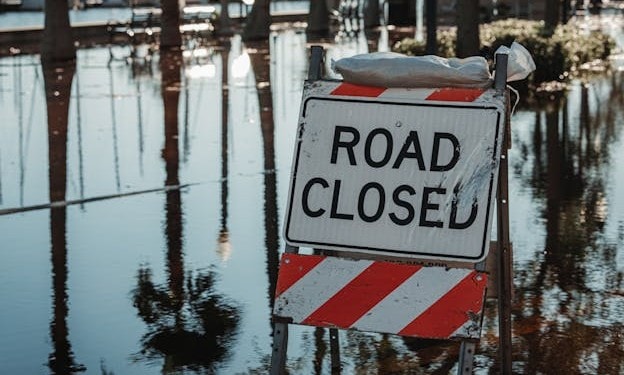
The Sound of Rain and the Parking Panic
The Manila monsoon starts up. You hear rain hitting your window. But you’re thinking: where did I park my car? Will it flood? Most people worry about this during the rainy season. Nobody wants to wake up and find their car underwater. And nobody wants to get stuck in a flooded parking garage.
Real estate ads love to say “flood-free.” These properties cost more. People want them more, too. Why? Because flooding messes up everything. Not just your house. Your car gets damaged. Your whole day gets ruined.
Floods break things. They cost money to fix. They mess up your routine. PAGASA says the rainy season runs from June to October. Heavy rain hits the low areas of Metro Manila hard. Knowing whether a property floods can save you money and keep you safe.
Evaluating a Property Is More Than Just the Interior
When shopping for a home or condo, don’t just focus on the interior finishes or amenities. The infrastructure that keeps you dry during a flood is just as important. Here’s what to look for:
- Flood-Resilient Design: Check if the property has raised foundations, proper drainage systems, or flood barriers.
- Location Relative to Flood Plains: Is the property located near rivers or low-lying areas known for flooding?
- Building Flood Prevention Measures: Does the building have sump pumps, retention basins, or emergency flood protocols?
- Access to Higher Ground: Is the parking or main entrance elevated above known flood levels?
Rain happens. Damage doesn’t have to. Think about floods when you pick your property and where to park. It protects what you own, your car, and keeps you safe.
Why Does Your Location Matter?
Understanding why your property’s location matters in flood-prone zones is crucial for protecting your investment and personal safety. Let’s break down the key factors that make certain areas more vulnerable to flooding and how urban development has changed the landscape.
Urban Development and Its Impact on Flooding
Rapid urbanization has significantly altered natural water flow and drainage patterns. Here’s how:
- Increased Impermeable Surfaces: Concrete roads, pavements, and buildings prevent rainwater from soaking into the ground, causing more surface runoff.
- Blocked Natural Waterways: Many natural streams and small rivers have been covered or diverted, reducing the land’s ability to hold excess rainwater.
- Overburdened Drainage Systems: Existing drainage infrastructure struggles to handle the volume of excess water during the monsoon season and intense storm events.
- Loss of Green Spaces: Parks and open fields that once absorbed rainfall are replaced by developments, decreasing water retention capacity.
This shift means that even areas previously considered safe may now be vulnerable to flooding due to climate change and increased rainfall intensity.
Using Hazard Maps for Informed Decisions
To better understand flood risks in your area, refer to official hazard maps provided by government agencies:
- Project NOAH (Nationwide Operational Assessment of Hazards): Offers detailed flood hazard maps highlighting flood-prone zones and flood depths during different scenarios.
- Mines and Geosciences Bureau (MGB): Provides geological and flood risk maps useful for evaluating property safety.
- Philippine Atmospheric, Geophysical, and Astronomical Services Administration (PAGASA): Delivers real-time weather updates and flood warnings to help residents stay updated.
These resources are invaluable for property owners, car owners, and residents to stay informed about flood risk, plan safer routes, and choose properties with better flood resilience.
Quick Tips to Assess Your Location’s Flood Risk:
| Factor | What to Check | Why It Matters |
|---|---|---|
| Proximity to Rivers/Creeks | Is the property near a water body? | Closer means higher flood risk |
| Elevation Level | Is the area elevated above floodplains? | Higher ground reduces flood damage |
| Local Drainage Systems | Are drains well-maintained and functional? | Proper drainage prevents water buildup |
| Historical Flood Data | Has the area experienced past flooding? | Past events indicate future risk |
| Urban Development Patterns | Are there many impermeable surfaces? | More runoff increases flooding |
By evaluating these factors, you can minimize the risk of water damage and protect your property and vehicle from costly repairs.
Location is more than just an address; it’s a key factor in your flood preparedness strategy. Choosing a property in a safer zone or one designed with flood prevention in mind can save you from the headaches of flood damage and the financial burden of repairs. Use hazard maps, stay updated with PAGASA alerts, and consider the impact of urban development on flood risk to make the best decisions for your safety and investment.
Is Your Parking Slot a Liability?
When it comes to flood safety, not all parking spots are created equal. Your parking slot can either be a haven or a major liability during heavy rains and floods. Let’s break down the risks and benefits of common parking options in flood-prone areas.
The Basement Risk: Why Lower-Level Parking Is the First to Flood
Basement parking might seem convenient, but it’s often the first area to flood during severe weather. Here’s why:
- Lowest Elevation: Being underground or below ground level makes basements natural catch basins for floodwater.
- Drainage Challenges: Even with pumps, heavy rainfall or clogged drains can overwhelm systems quickly.
- Electrical Hazards: Flooded basements risk damaging electrical wiring and equipment, posing safety risks.
- Vehicle Damage: Water entering the engine or electrical systems can cause costly repairs or total loss.
Elevated Parking Levels in High-Rise Condos
Podium parking refers to parking levels built above ground but below residential floors. This option offers some flood protection but still needs evaluation:
- Elevation Advantage: Podium parking is typically raised above street level, reducing flood risk.
- Potential Vulnerability: If the podium is close to floodplain levels or if drainage is poor, flooding can still occur.
- Good Drainage Systems: Buildings with effective sump pumps and drainage grates can better handle excess water.
- Accessibility: During floods, podium parking may remain accessible when basements are submerged.
| Tip: When considering a condo, check the elevation of podium parking relative to known flood levels and inquire about drainage infrastructure. |
From Gutter-Deep to Waist-Deep in Minutes
Parking on the street is the most common but also one of the riskiest options in flood-prone areas:
- Low-Lying Streets: Avoid parking on streets that are situated in low-lying or poorly drained areas.
- Rapid Flooding: Be aware that water levels can rise swiftly during heavy rainfall, turning shallow puddles into deep, hazardous pools.
- Obstruction Hazards: Parking near drains can block water flow, exacerbating flooding in the area.
- Safety Risks: Flooded streets not only endanger vehicles but also pose serious risks to pedestrians and drivers alike.
Street-level parking in flood-prone areas is one of the leading causes of vehicle flood damage claims during the rainy season, making it a significant risk for car owners.
3 Things to Check in a Parking Garage
When evaluating any parking garage, especially in flood-prone zones, keep these three critical factors in mind:
- Drainage Grates. Are they clear, well-maintained, and capable of handling heavy rainfall without clogging?
- Sump Pump Locations. Does the garage have functioning sump pumps? Where are they located, and is there a backup power source?
- Elevation. How high is the parking area compared to known flood levels? Even a small elevation difference can prevent flooding.
| Feature | What to Look For | Why It Matters |
|---|---|---|
| Drainage Grates | Clear, regularly cleaned, and well-positioned | Prevents water accumulation |
| Sump Pumps | Operational, regularly tested, with backups | Pumps out floodwater efficiently |
| Elevation Level | Above known flood marks or floodplain | Reduces the risk of water ingress |
Regular maintenance and flood preparedness of parking facilities are essential to minimize flood damage risks.
Your parking spot plays a huge role in protecting your vehicle during floods. Basement parking poses the highest risk, while podium parking offers better protection if properly designed. Street parking is the most vulnerable and should be avoided during heavy rains. Always inspect drainage, sump pumps, and elevation to ensure your parking is as flood-resilient as possible.
| Remember: In flood-prone zones, being proactive about where and how you park can save you from costly repairs and personal safety hazards during the monsoon season. |
Critical Flood Prevention Measures to Look For
When it comes to flood resilience, knowing what measures your property or parking area has in place can make all the difference. Here are the essential flood prevention features to check before you commit to a property or parking spot in a flood-prone zone.
1. What Is a Sump Pump and Why Does It Matter?
A sump pump is a mechanical device installed in the lowest part of a building, usually in the basement or parking area. Its job? To pump out excess water that accumulates during heavy rains or flooding. Here’s why sump pumps are critical:

- Prevents Water Accumulation: It removes floodwater quickly, preventing it from pooling and causing damage.
- Protects Electrical Systems: By keeping water out, it safeguards wiring and electrical equipment from short circuits.
- Reduces Mold and Mildew Risks: Standing water can promote mold growth, which can affect both property and health.
- Backup Power Systems: The best sump pumps come with battery backups to keep running during power outages, common in storms.
Properties with well-maintained sump pumps experience less flood damage during severe rainfall.
2. Retention Basins: Managing Excess Runoff Like a Pro
Retention basins are man-made ponds or depressions designed to collect and hold excess rainwater temporarily. They are particularly important in urban areas where natural land to absorb water is limited. Here’s what you should know:

- Water Storage: Retention basins hold excess rainwater and slowly release it into the drainage system.
- Flood Peak Reduction: By controlling the flow, they reduce the risk of sudden flooding downstream.
- Improves Water Quality: These basins filter pollutants from runoff before it reaches rivers or lakes.
- Aesthetic and Recreational Benefits: Many modern basins double as parks or green spaces, adding value to neighborhoods.
3. Building Management: The Human Element in Flood Prevention
Even the best infrastructure needs competent management. Building staff plays a vital role in flood preparedness and response. Here’s what to look out for:
- Flood Protocols: Does the management team have clear procedures during a flood event? This includes evacuation plans and communication strategies.
- Regular Maintenance: Are drainage systems, sump pumps, and flood barriers inspected and serviced regularly?
- Emergency Supplies: Availability of flood barriers, sandbags, and emergency lighting can make a big difference.
- Training and Drills: Staff should be trained to act quickly and safely when flood warnings are issued.
| Tip: Ask property managers if they conduct annual flood preparedness drills and how they keep residents informed. |
Being proactive about these flood prevention measures can save you from costly repairs and personal safety risks. Whether you’re a property owner, renter, or car owner, understanding these features helps you make smarter, safer decisions in flood-prone areas.
Remember, flood resilience is not just about structures; it’s also about preparedness, maintenance, and quick response. Stay informed, stay safe, and minimize flood damage with these critical prevention measures.
Flooding is something we all prepare for. Before the next downpour, confirm your building’s flood prevention measures, from basement pumps to drainage plans.
The Renter’s Checklist: Safety and Accessibility
When renting in flood-prone zones, safety and accessibility go beyond just the unit itself. Here’s what every renter should keep in mind to stay safe and dry during the rainy season.
1. Emergency Exits: Your Lifeline During Floods

Emergency exits are crucial, especially if flood waters rise quickly. Ask yourself:
- Are emergency exits accessible even if the ground floor floods?
Some buildings have elevated or secondary exits that remain usable during floods. This can be a lifesaver. - Are stairwells and corridors above flood levels?
Flooded stairwells can trap residents inside. Confirm that emergency routes lead to higher ground. - Is there clear signage for flood evacuation routes?
Well-marked exits help prevent confusion during emergencies.
Remember, in a flood emergency, quick and safe evacuation is vital. Knowing your escape routes beforehand can make all the difference.
2. Vertical Living: Why “Higher is Better” Matters
Living on higher floors isn’t just about the view; it’s a flood resilience strategy.
- Higher floors reduce flood risk to your home and belongings. Flood waters rarely reach upper floors, keeping your living space and valuables safe.
- Elevators may be unreliable during floods. So, consider the accessibility of stairs, especially if you have mobility challenges.
- Noise and ventilation considerations. Higher floors might be windier or noisier during storms, but the trade-off is often worth it for safety.
If you’re choosing to rent between condo units, prioritize those on higher floors to minimize flood damage and disruptions.
3. The Commute Factor: Getting In and Out When Roads Flood
Even if your unit is flood-safe, can you actually reach it?
- Check if the main roads and access points to the building are prone to flooding. Streets in low-lying or flood-prone areas can become impassable during heavy rainfall.
- Are there alternative routes or elevated roads nearby? Knowing backup routes can help avoid getting stranded.
- Public transport and ride-hailing availability during floods. Some areas experience service disruptions; plan accordingly.
- Parking accessibility. Flood-resilient parking options nearby ensure your vehicle stays safe and accessible.
Why Renters Should Care About Flood Preparedness
Flooding causes more than just property damage; it disrupts lives. Taking proactive measures helps you stay safe, protect your belongings and vehicle, reduce costly repairs, and enjoy peace of mind throughout the rainy season.
By using this renter’s checklist, you’re not just renting a space; you’re investing in your safety and daily comfort during monsoon months. Stay informed, stay prepared, and always prioritize safety when renting in flood-prone areas. It’s a small effort that pays off big when the rains come.
The Owner’s Responsibility: Protecting Your Investment
Owning property in a flood-prone area means more than just having a roof over your head. It’s about safeguarding your investment, your tenants, and your peace of mind. Here’s how property owners can take charge when it comes to flood preparedness and protection.
Transparency with Tenants: Building Trust Through Honesty
One of the most important responsibilities of a property owner is to be upfront about the flood history of the property. Why? Because honest communication builds trust and helps tenants prepare accordingly.
- Disclose Past Flooding Incidents: Inform tenants if the property has experienced flooding before. This sets realistic expectations.
- Share Flood Preparedness Plans: Let tenants know about flood prevention measures in place and emergency protocols.
- Provide Resources: Give tenants access to flood maps, weather updates, and evacuation routes.
- Open Dialogue: Encourage tenants to report drainage issues or concerns promptly.
Transparent communication not only protects tenants but also reduces liability and fosters long-term relationships.
Maintenance Schedules: Staying Ahead of the Rainy Season
Flood resilience starts long before the first heavy rain. Scheduling regular maintenance checks ensures that drainage systems and pumps are ready to handle excess water.
- Drainage System Inspection: Clear gutters, drains, and downspouts of debris to prevent blockages.
- Sump Pump Testing: Test pumps for proper operation and check backup power sources like batteries or generators.
- Retention Basin Upkeep: If the property has retention basins, ensure they are clean and functioning well.
- Roof and Foundation Checks: Inspect for cracks or leaks that could allow water ingress.
- Seasonal Timing: Schedule these checks ideally before June, ahead of the monsoon season.
A well-maintained property reduces the risk of flood damage and costly repairs.
Insurance: Securing “Acts of God” Coverage for Peace of Mind
Floods are often classified as “Acts of God” – natural events beyond human control. That’s why insurance coverage is a critical part of protecting both the property and vehicles.
- Flood Insurance Policies: These cover damage caused by rising water, which standard homeowner’s insurance often excludes.
- Vehicle Insurance: Encourage tenants or owners to have comprehensive insurance that includes flood damage.
- Coverage Limits: Understand policy limits and deductibles to ensure adequate protection.
- Prompt Claims: Document damage thoroughly with photos and reports to expedite claims.
Having the right insurance minimizes repair costs and financial stress after a flood event.
By taking these proactive steps: being transparent, maintaining infrastructure, and securing proper insurance, property owners can significantly reduce flood risks. These measures not only protect your investment but also ensure tenants feel safe and valued. Remember, flood preparedness is a shared responsibility that starts with you, the owner. Stay informed, stay prepared, and help your property weather the storm.
Tenants: know where your emergency exits and parking levels are safest.
Owners: ensure your tenants are informed.
How to Spot a Flood-Resilient Property
Finding a flood-resilient property is key to protecting your investment and ensuring your safety during the rainy season. Here’s a detailed guide on what to look for when evaluating a property’s flood resilience.
| Feature | Why It Matters | How to Check |
|---|---|---|
| Elevated Structure | Reduces direct flood impact | Visual inspection, elevation maps |
| Historical Water Marks | Indicates past flooding | Look for stains, discoloration |
| Local Drainage Quality | Prevents water buildup | Consult local government reports |
| Flood Barriers & Retention | Controls water flow and reduces risk | Neighborhood infrastructure maps |
| Emergency Flood Protocols | Ensures preparedness and rapid response | Local government or community info |
A. Elevation Markers: Is the Property Raised Above Flood Levels?
One of the most obvious signs of flood resilience is elevation. Properties built on higher ground or raised platforms are less likely to suffer flood damage. Here’s what to check:
- Stilts or Raised Foundations: Homes built on stilts or with elevated foundations allow floodwaters to pass underneath without damaging the living areas. This is common in flood-prone regions and is a proven flood mitigation technique.
- Elevation Relative to Known Flood Levels: Use local flood maps or hazard maps to compare the property’s elevation to historical flood levels. Properties above the floodplain or known flood marks have a natural advantage.
- Slope and Drainage: Properties on a gentle slope tend to drain water away naturally, reducing flood risk. Flat or low-lying lots are more vulnerable.
B. Natural Cues: What Nature Tells You About Flood Risk
Sometimes, nature leaves clues about past flooding that you can spot with a keen eye. Look for these signs:
- Water Stains or Discoloration: Check walls, fences, and gates for water stains or discoloration, especially near the ground level. These marks indicate previous floodwater levels.
- Rust on Metal Fixtures: Rusty gate hinges, mailboxes, or outdoor metal fixtures can suggest prolonged exposure to moisture or floodwaters.
- Vegetation Patterns: Dead or dying plants near the foundation, or erosion patterns in the soil, can hint at water pooling or flooding.
- Moss or Mold Growth: Excess moisture from flooding often leads to moss or mold on exterior walls or shaded areas.
C. How Local Government Supports Flood Resilience
Flood resilience is not just about individual properties; it’s also about the community’s infrastructure. Here’s what to consider:
- Drainage Improvements: Has the local government invested in upgrading drainage systems, such as larger storm drains or regular cleaning schedules? Well-maintained drainage reduces flood risk significantly.
- Retention Basins and Flood Barriers: Check if the neighborhood has retention basins, floodwalls, or levees designed to hold excess rainwater and prevent overflow.
- Flood Warning Systems: Areas with early flood warning systems and emergency protocols provide an added layer of safety.
- Green Spaces: Parks and open areas can serve as natural water retention zones, helping to hold excess rainwater and reduce flooding.
Final Tips for Buyers and Renters
- Always ask for flood history disclosures from sellers or landlords.
- Consult official flood hazard maps from PAGASA or Project NOAH before deciding.
- Visit the property during or after heavy rains to observe drainage and water flow.
- Consider flood insurance even if the property seems safe.
By paying attention to these details, you can confidently choose a flood-resilient property that keeps you safe and minimizes costly flood damage. Remember, in flood-prone areas, a little extra due diligence goes a long way in protecting your home and investment.
The Long-Term Value of Flood-Free Real Estate
Investing in flood-resilient properties offers more than just immediate protection; it pays off over time in several meaningful ways. Understanding these benefits can help you make smarter decisions when buying or renting in flood-prone zones.
1. Resale Value: Flood-Resilient Homes Appreciate Faster
Properties located in flood-free or well-protected areas tend to hold or increase their value better than those in flood-prone zones. Here’s why:
- Higher Demand: Buyers prioritize safety and peace of mind, making flood-resilient homes more attractive.
- Lower Insurance Costs: Insurance premiums are often lower for properties with flood prevention features, reducing overall ownership costs.
- Reduced Repair Costs: Less exposure to flood damage means fewer costly repairs and maintenance.
- Market Stability: Flood-prone areas may experience market fluctuations after severe flood events, while flood-free zones remain more stable.
2. Peace of Mind: The Intangible ROI of Flood Resilience
Owning a flood-free home means you don’t have to worry every time the skies darken. This peace of mind is invaluable and impacts your quality of life in these ways:
- Reduced Stress: No constant fear of waking up to flood damage or stranded vehicles.
- Safety for Family and Property: Knowing your home and belongings are protected brings emotional security.
- Better Sleep During Storms: Confidence in your property’s resilience means less anxiety during heavy rains.
- Community Confidence: Living in a flood-resilient neighborhood often means better infrastructure and emergency response.
Why Flood Resilience Should Be Part of Your Investment Strategy
Flood resilience isn’t just about avoiding damage; it’s a smart financial and lifestyle choice. Here’s what to consider:
- Climate Change Impact: With increasing rainfall and severe storms, flood risks are rising globally and locally.
- Long-Term Cost Savings: Investing in flood prevention reduces future repair and insurance expenses.
- Property Market Trends: Flood-resilient homes are becoming a key selling point in real estate markets worldwide.
- Personal Safety: Flooding poses risks beyond property damage, including health and safety hazards.
Tips to Identify Flood-Resilient Properties
When evaluating a property, keep an eye out for these flood resilience features:
- Elevated foundations or stilts
- Effective drainage systems and sump pumps
- Proximity to higher ground or outside flood plains
- Presence of flood barriers or retention basins nearby
- Well-maintained emergency flood protocols by property management
Choosing a flood-free property is more than a precaution—it’s an investment in your future. By prioritizing flood resilience, you protect your wallet, your peace of mind, and your loved ones. Remember, in flood-prone countries like the Philippines, staying ahead of flood risks is a key part of smart property ownership.
HousingInteractive takes pride in helping clients find flood-resilient homes that stand strong, rain or shine.
Preparing for the Downpour
Preparing for the rainy season is not just about safeguarding your property—it’s about investing in your lifestyle and personal safety. Floods can strike unexpectedly, and being proactive can save you from costly repairs, stress, and inconvenience.
Don’t wait for the rain to expose weaknesses in your property or parking arrangements. Being prepared is the best defense against flood damage.
Consult with a knowledgeable real estate broker or flood resilience expert who understands the local terrain and can guide you in making informed decisions to protect your investment and ensure your safety during the rainy season.
HousingInteractive: Investing in Higher Ground
We believe that a “prime location” must also be a “protected location.” As the pioneer property portal in the Philippines, we help you navigate environmental risks by providing verified listings in developments that prioritize flood-resilient engineering and elevated parking structures. We don’t just find you a home; we ensure your entire lifestyle, including your vehicles, is shielded from the elements.
HousingInteractive, the Philippines’ first property portal, delivers property solutions that keep you above the rising tide. Don’t wait for the next storm to test your luck. Explore our curated listings of flood-resilient properties and secure high-ground parking today!