
Keeping Common Areas on Properties Dry and Safe
Water damage is a real problem in condos and rental buildings. And it gets worse during the rainy season, which runs from June through November, when monsoons and typhoons hit. You need to keep shared spaces dry. It keeps people safe. The condition of common areas forms the first impression for visitors and tenants, which can significantly influence the property’s reputation. It saves you money on repairs. And it protects the value of your property.
Why Dry, Safe Common Areas Matter
Common areas include lobbies, corridors, stairwells, elevators, parking lots, roof decks, amenity floors, and outdoor walkways. These shared spaces see heavy foot traffic daily.
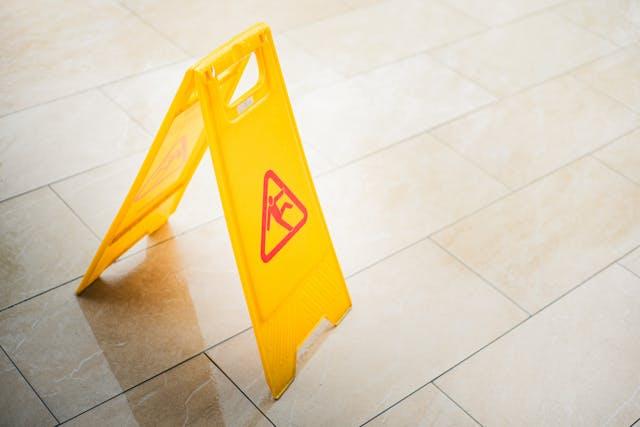
Water on floors creates safety hazards. Wet ceramic tiles drop their friction, making slips likely even on slight slopes. Damp walls and ceilings promote mold growth within 24–48 hours, causing unpleasant odors and health issues like allergies and asthma. Cleanliness in common areas helps prevent the spread of germs and bacteria, contributing to a healthier environment for residents.
Tropical areas get lots of rain and humidity, so effective water control in shared spaces is essential. Taking care of these areas is crucial for property management as it protects from water damage and keeps everyone safe. Clean, dry spaces contribute to tenant happiness, reduce complaints, and enhance the property’s reputation. Property managers must maintain these areas well, starting with dry floors to create a welcoming environment.
Key Common Areas to Keep Dry and Safe
Some shared spaces get hit with more rain and water problems than others. Each area has its own issues you need to watch for. Identify these vulnerable spots early so you can address problems before they worsen. This proactive approach helps keep dry, safe, and healthy spaces for everyone who uses them.
1. Entrances and Lobbies
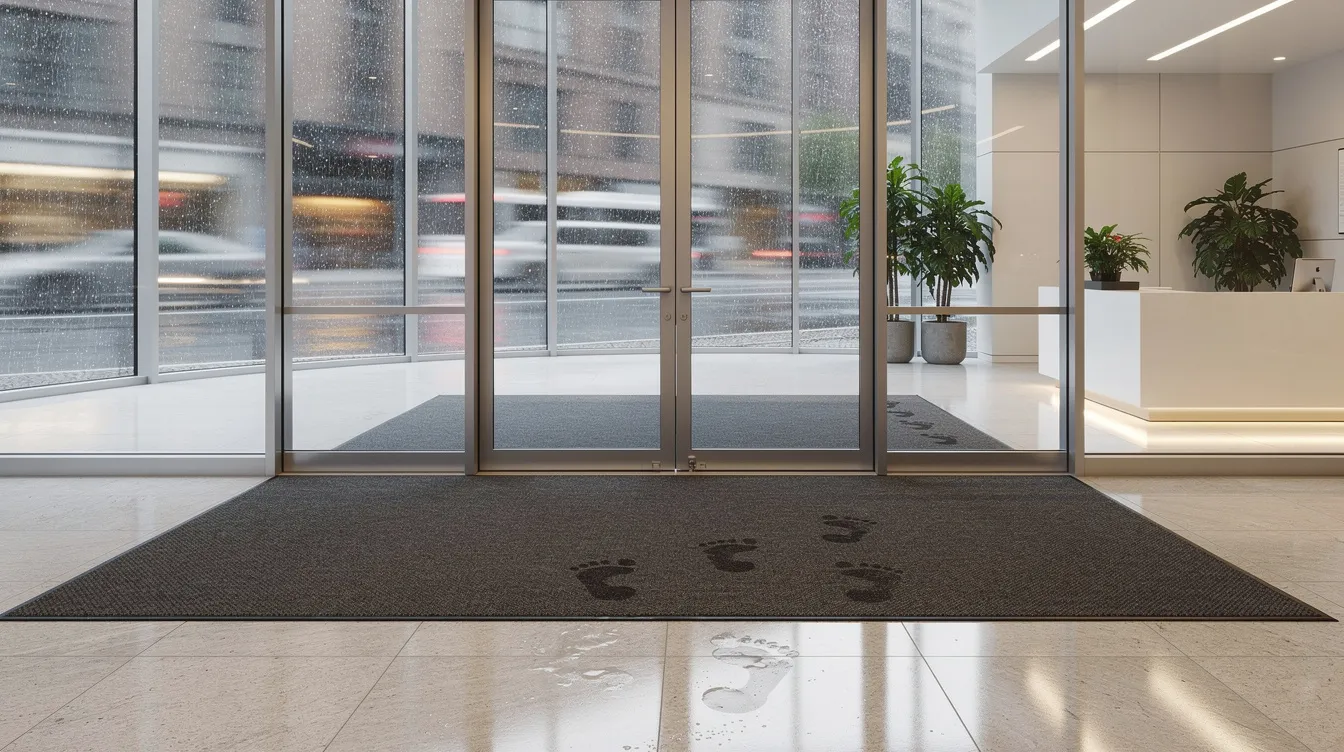
Main doors take the brunt of tracked-in water from umbrellas and footwear. Install heavy-duty entrance mats that absorb 2–5 liters per square meter. Add umbrella stands with drip trays at every entrance.
Check door seals and glass surfaces for gaps over 3mm; these allow significant water ingress during storms. Staff should place “Wet Floor” signs immediately when water pools. Inspect lobby ceilings for water stains from AC units or leaking pipes. A poorly maintained lobby can reflect poorly on the property and its management, negatively impacting the first impression for visitors and tenants.
2. Hallways and Corridors
Corridors channel water from balconies, windows, and roof leaks. Routine cleaning during evening rush hours (6–8 PM) catches tracked-in moisture when residents come home.
Check corridor windows for cracked sealant and loose aluminum frames. Floor drains need a proper slope and weekly clearing. Put non-slip runners in busy areas, and you’ll cut slip accidents in half.
3. Stairwells and Fire Exits
Wet stairwells pose severe fall risks. Keeping stairwells dry and safe should be a top priority for property managers, as falls from stairs account for condo injuries. Keep treads dry with non-slip nosing strips and prompt wiping of tracked-in water.
Check for roof leaks above top landings. Bright lighting helps residents spot wet patches. Clear the drain openings and scupper holes of leaves weekly. Fire safety requires these exits to stay accessible at all times.
It is also important to train staff to recognize and report potential slip and fall hazards, such as leaking roofs or faulty handrails.
4. Elevators and Lift Lobbies
Wet shoes and umbrellas bring water into elevator lobbies. Place mats and drip trays near doors. Spot-mop every 30 minutes during heavy storms.
Never allow water to pool near elevator doors or shafts, as this creates electrical hazards. Check ceiling panels for condensation. Keep buttons and handrails dry to prevent corrosion and the spread of germs. Elevator buttons and handrails are high-touch surfaces and should be regularly wiped down to prevent dirt and grime buildup.
5. Parking Areas, Driveways, and Ramps
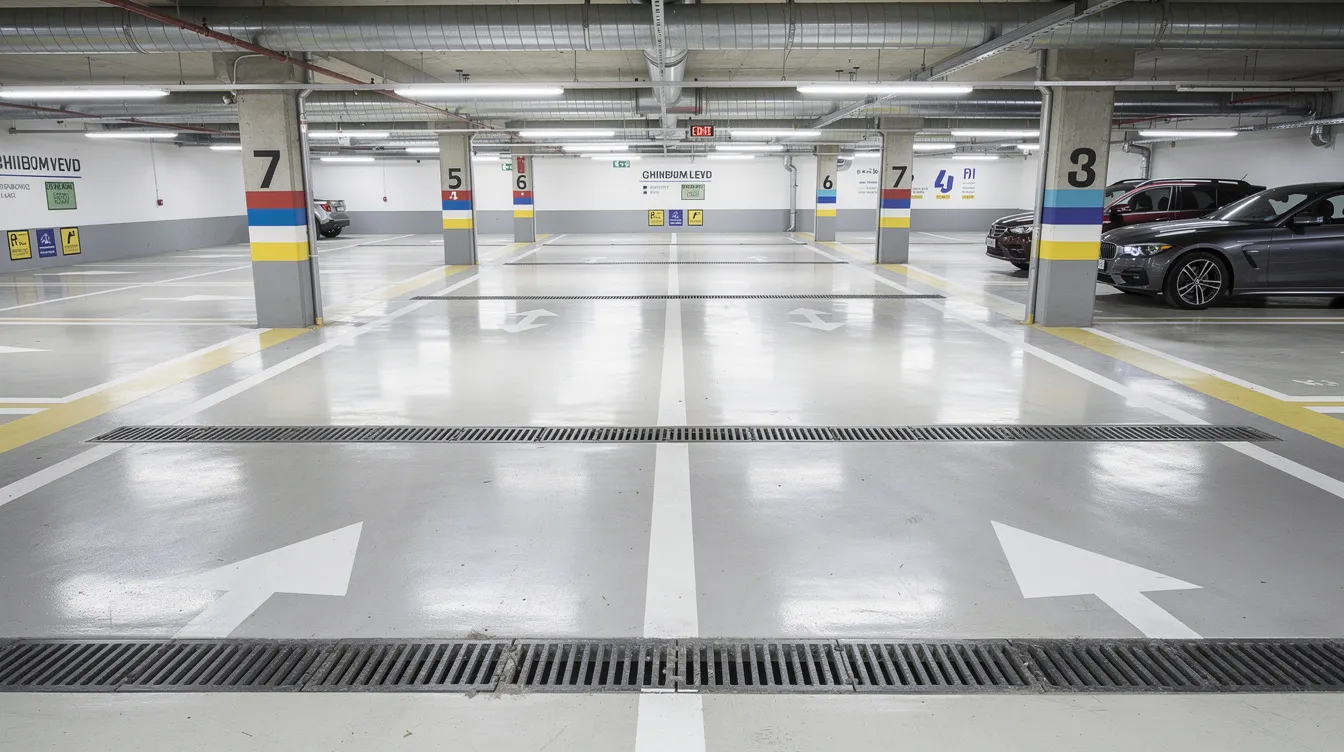
Basements flood easily. Test sump pumps monthly before the wet season. Clear floor drains and catch basins of dirt and debris before named typhoons.
Ramps need anti-skid grooving and painted warning stripes. Mark pedestrian paths clearly and keep them elevated away from splash zones. Post-rain clearing removes oil-water slickness that drops friction dangerously low.
6. Rooftops, Balconies, and Exterior Walkways
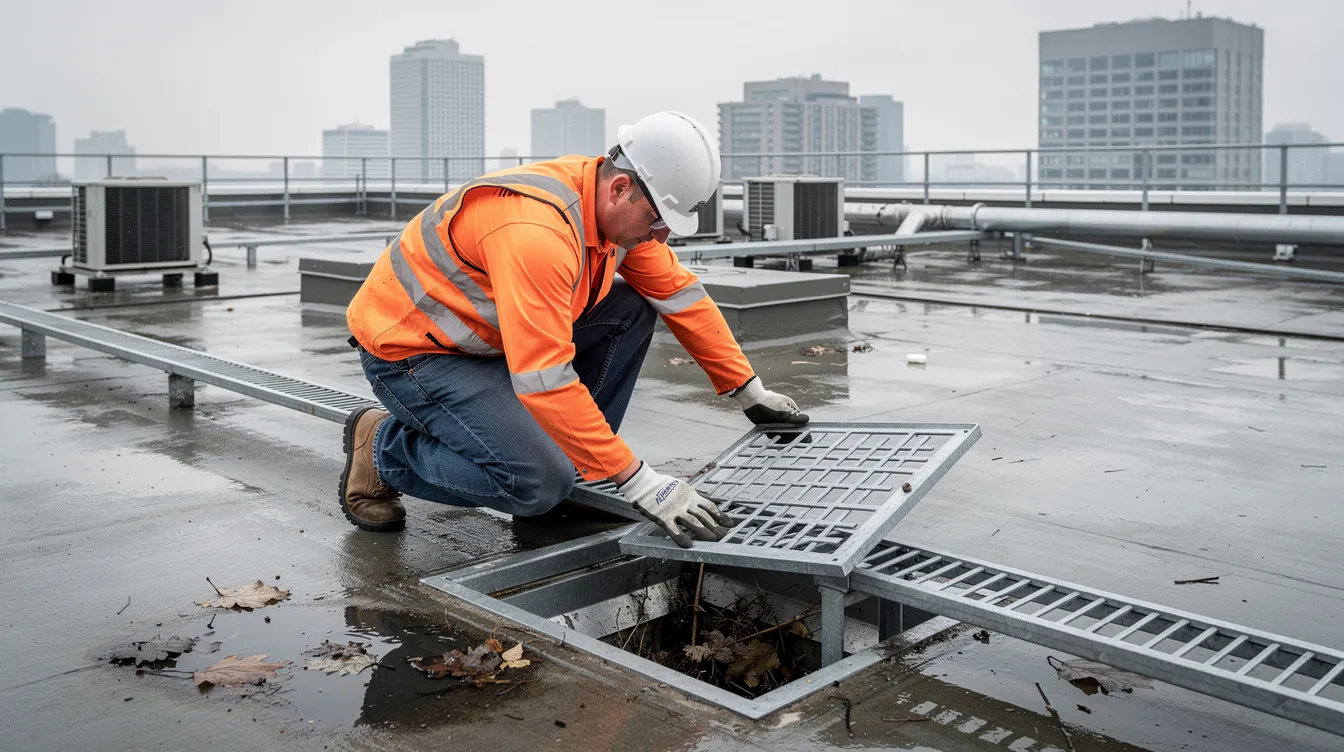
Many water problems start on the roof. Clear gutters and drains regularly. Clogged gutters reduce their capacity. Reseal roof penetrations around antenna bases and HVAC systems yearly.
Balcony floors should slope toward outlets. Use slip-resistant tiles on roof decks and exterior walkways that stay damp.
7. Pools, Gyms, and Other Amenities
Pool areas should have clear “No Running” signs and non-slip deck surfaces with adequate drainage. Gyms need proper ventilation to maintain low humidity and prevent condensation on floors and other surfaces.
Shared equipment in gyms and recreational areas, such as gym equipment and poolside furniture, should be regularly cleaned and sanitized to maintain hygiene standards.
Check locker room tiles and grout quarterly. Wipe obvious puddles quickly and place warning signs where floors stay damp.
Rainy Season Risks and How to Prepare
From June to November, the Philippines sees 60–80% of its annual rainfall. Typhoons like Odette (2021) and Ulysses (2020) test building drainage systems severely. Preparation saves money.
Regularly cleaning and maintaining outdoor spaces is crucial for keeping common areas on properties dry and safe. This includes lawn care during spring and summer, which helps maintain the property’s aesthetic appeal, safety, and compliance, as well as snow removal during the winter months.
A. Pre-Season Checks (Before the Rains Start)
Create a checklist in April or May:
- Inspect roofs, gutters, and balcony drains
- Test downspouts by pouring water through
- Check sump pumps and backup power
- Review past maintenance logs for recurring leak spots
- Send reminders to residents about reporting procedures
B. During Heavy Rains and Typhoons
Keep staff on-call during forecasted storms. Check lobbies, lower parking levels, and roof decks frequently. Have sandbags ready for flood-prone entrances.
Use SMS or Viber groups to alert tenants when areas close temporarily. Staff should avoid walking through deep water near electrical rooms.
C. Post-Storm Inspections
After the weather clears, do a full walk-through. Dry carpets and ceiling tiles within 48 hours to prevent mold. Take dated photos for insurance claims. Record lessons learned for future improvements.
Even the best-managed buildings face challenges during the rainy season: from slippery hallways to clogged roof drains. Owners and tenants alike benefit from proactive property management.
Daily, Weekly, and Seasonal Routines for Dry, Safe Spaces
Clear routines keep staff ahead of wet floors and minor leaks. Write tasks down, assign them to specific people, and have the property manager verify completion.
Daily Tasks
- Check entrances, lift lobbies, and stairwells for standing water morning and evening
- Mop spills immediately and place warning signs
- Wipe wet handrails, elevator thresholds, and light switches
- Log recurring wet spots
- Clear leaves from outdoor drains
Weekly Checks
- Supervisor walks through the roof access, common balconies, and exterior corridors
- Test floor drains by pouring small amounts of water
- Check for early mold on walls and caulking
- Inspect drain covers in parking areas
- Maintain logs of findings
Seasonal and Annual Maintenance
- Reseal roof membranes every 3–5 years
- Schedule a professional cleaning service for waterproofing systems
- Replace worn rubber seals around windows
- Review safety equipment like emergency lights and non-slip tapes
- Plan regular maintenance to avoid major repairs
Involving Tenants and Staff in Keeping Areas Dry
Maintaining common areas is a shared responsibility. Good communication between owners, property managers, and residents prevents significant problems. It is important to encourage residents to participate in maintaining cleanliness and hygiene in shared spaces, such as by reporting issues or following posted guidelines. Both landlords and tenants should review their leasing contracts to ensure all parties share the same understanding of cleaning responsibilities.
1. Clear House Rules and Signage
Set clear guidelines: shake umbrellas only in designated zones, don’t leave wet items in corridors, and walk carefully on wet floors. Post bilingual signs near entrances. Provide QR codes for easy leak reporting.
2. Training for Guards, Housekeeping, and Maintenance
Train staff to spot hazards like sweating pipes and slow drains. Teach safe cleanup near electrical panels. Show how to use wet-dry vacuums and cleaning supplies properly. Run quarterly refreshers before the rainy season.
3. Listening to Resident Feedback
Residents notice recurring wet spots first. Set up feedback channels: suggestion boxes, online forms, or Viber groups. Acknowledge reports quickly and update tenants when issues get fixed. This builds trust and supports overall satisfaction.
Design and Upgrade Ideas to Prevent Water Problems
Good design reduces how often water reaches common spaces. These practical improvements work for existing properties.
Flooring and Surface Choices
Choose non-slip tiles for lobbies, stairwells, and pool decks. Anti-slip coatings work as retrofit solutions for hard surfaces in older buildings. When cleaning, it’s important to select products suitable for different surfaces commonly found in these areas to maintain both safety and cleanliness. Multi-purpose cleaners are effective for various surfaces, such as countertops and floors, making them a versatile choice for cleaning common areas. Avoid cheap porous materials in constantly wet zones, as they hold water and grow mold.
Drainage and Waterproofing Improvements
Add extra floor drains in long corridors. Enlarge trench drains at the basement ramp bases. Re-waterproof roof decks every few years. Redirect downspouts away from walkways. Keep records of all waterproofing work.
Ventilation, Dehumidification, and Lighting
High humidity makes spaces feel damp even without visible water. Improve airflow through exhaust fans. Use dehumidifiers in enclosed common rooms. Bright, even lighting helps residents see wet areas. LED fixtures handle humid environments better.
How HousingInteractive Supports Responsible Property Management
At HousingInteractive, we advocate for responsible upkeep and timely inspections, ensuring that everyone enjoys comfort and safety, even on the wettest days.
Professional cleaning services use specialized cleaning products and equipment to kill germs and maintain hygiene in common areas. By outsourcing cleaning tasks to professionals, property managers can reduce maintenance costs by addressing small issues before they escalate, improve the overall aesthetic appeal of common areas, and ensure that high-traffic areas are cleaned thoroughly and regularly. This allows property managers to focus on other important aspects of property management.
As the Philippines’ first property portal, we connect owners, investors, and potential tenants with listings and service providers who value proper maintenance. Our platform helps users find apartment building options that prioritize safe, dry common areas or reach professionals who can improve existing properties.
Visit HousingInteractive to explore better-managed properties and learn more about cleaning common areas and keeping common areas clean for the long term.
Key Takeaways
- Slippery floors, wet stairwells, and clogged roof drains cause injuries, mold growth, and expensive repairs if not addressed early
- Property managers, owners, and tenants all share responsibility for maintaining safe, dry communal spaces
- Routine inspections before and during the rainy season prevent major problems and cut repair costs by up to 60%
- Simple fixes like entrance mats, clear signage, and regular cleaning make a big difference in tenant satisfaction
- HousingInteractive advocates for proactive property management to keep buildings comfortable even on the wettest days
Frequently Asked Questions
Who is responsible for keeping common areas dry in a condominium?
The condominium corporation or homeowners’ association typically handles common area maintenance, with property managers overseeing daily operations. Unit owners fund this through proportionate dues. Tenants must follow house rules and report issues promptly. Check your building’s by-laws for specific responsibilities.
How often should we inspect roofs and drains in a tropical climate?
At minimum, twice yearly: once before the rainy season (April–May) and once after (December). Add extra checks after major storms. Regular inspections are systematic and proactive measures that help maintain property condition and ensure safety. Older buildings or those in flood-prone areas need more frequent routine inspections. Keep a simple log with dates, findings, and timely repairs completed.
What is the fastest way to handle a sudden leak in a common hallway?
Block off the wet area immediately. Place warning signs. Stop the water source if safely possible—don’t touch electrical panels in wet conditions. Take photos and note when it started. Report through official channels. Temporary fixes like paper towels and buckets work initially, but schedule proper repairs soon.
How can small buildings with limited budgets improve safety in wet areas?
Start with low-cost actions: entrance mats, clear signage, regular drain cleaning, non-slip tapes on stairs, and basic staff training. Focus on the most dangerous spots first—main doors, stairwells, and basement ramps. A systematic approach and cleaning schedule help remove dirt before it becomes deeply seated. Plan larger upgrades over several years.
When should we call professionals instead of fixing water issues ourselves?
Call licensed contractors when there’s structural damage, repeated leaks from roofs or walls, any electrical risk, or flooding in basements. Work on elevator pits, electrical rooms, and major waterproofing requires qualified experts. Pest infestations from moisture damage also need professional treatment. Platforms like HousingInteractive can help you find experienced service providers who understand local conditions and safety standards.