The Square-Meter Myth: Why Layout Matters More Than Size
Most buyers focus on square meters when house hunting. Bigger seems better. But two 60 sqm units can feel totally different. One feels cramped. The other feels open. Layout makes the difference.
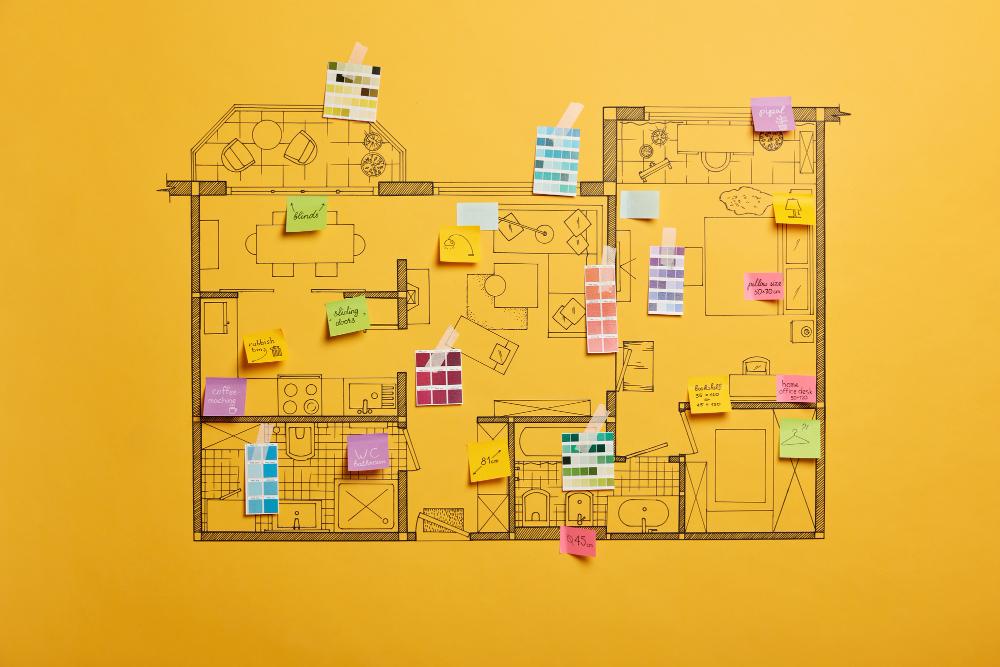
Square meters are easy to compare. You see a number and think bigger is better. Most buyers think more square meters means more space and a better deal. But this can make you miss what really matters: how the space actually works.
Good Layout Beats Big Size
A home’s worth isn’t just about square meters. It’s about how those square meters are set up. A well-planned, smaller home can feel roomy and work great. A big home with bad design can feel tight and awkward.
How Does It Work?
Smart space use means caring about how things work instead of just size. Don’t ask “How big is this place?” Ask “Will this floor plan and home work for how I live?” Think about flow and daily use.
1. Every Square Meter Serves a Purpose
In a smart layout, every square meter has a job that supports your lifestyle. There are no empty spaces or wasted areas, no awkward corners, and no oversized hallways. Every room and corner serves a useful purpose tailored to how you live.
A small nook becomes a reading spot. A hallway holds storage or displays art. Spaces do more than one thing. A guest room works as an office. A playroom doubles as something else.
2. No Wasted Areas Like Weird Corners or Huge Hallways
Wasted space makes homes feel smaller than they are. Long hallways that go nowhere. Corners you can’t use. Rooms with strange shapes. These take up space but don’t help your daily life.
Smart layouts fix this. You can move from room to room easily. No extra steps. No dead ends. This saves space and makes everything flow better.
3. Rooms That Do Double Duty When You Need Them To
Flexibility matters. Rooms that do more than one thing make every square meter work harder. Here’s how:
- A dining area becomes a workspace during the day.
- A living room has built-in storage and seating to cut clutter.
- Bedrooms use convertible furniture for guests or hobbies.
This helps when your needs change. You don’t need a bigger home.
4. Good Natural Light and Air Flow Make Spaces Feel Bigger
Natural light and fresh air change how a home feels. Well-placed windows and skylights let sunlight fill rooms. This creates openness.
Good airflow stops stuffiness. It makes you more comfortable. It’s better for your health, too. Smart layouts put windows and doors where fresh air can move through the home naturally.
5. Bedrooms, Bathrooms, and Living Areas Are Placed Right for Comfort and Privacy
A good layout thinks about which rooms should be close and which should be separate. This matters for privacy and noise. Here’s what works:
- Bedrooms are away from busy living areas for quiet sleep.
- Bathrooms sit near bedrooms and common areas.
- Living spaces stay central for family time and guests.
This makes the home feel more spacious and useful. Size doesn’t matter as much as getting this right.
Why You Should Change How You Think
Stop obsessing over square meters. Instead, focus on how your floor plan and home actually work together. A small place with a smart, well-thought-out design outperforms a large house filled with wasted rooms every time. It feels more spacious, functions better, and is far more comfortable to live in. The real truth is this: size doesn’t make a better home; layout and floor plan do.
| Feature | Bigger Size Alone | Smart Layout (Any Size) |
|---|---|---|
| Usable Space | Often includes wasted or empty areas | Every square meter is purposeful |
| Feel | Can feel cramped or chopped up | Feels open, airy, and welcoming |
| Room Functionality | Rooms might be awkwardly placed | Rooms serve clear, practical roles |
| Family Interaction | Limited by disconnected spaces | Encourages togetherness and privacy |
| Natural Light & Ventilation | May be inconsistent or poor | Maximized for a spacious feel |
| Furniture Fit | May be challenging | Designed to accommodate your stuff |
| Flow & Accessibility | Can be inefficient | Smooth, logical movement throughout |
| Cost Implications | Higher taxes, utilities, and maintenance | Potentially lower costs, better value |
Don’t Get Fooled by Bigger Numbers
Big square footage tricks you. A bigger home might have thick walls, huge hallways, or weird structural stuff that doesn’t help you live better. These areas make the total square meters look good, but don’t do anything for your daily life.
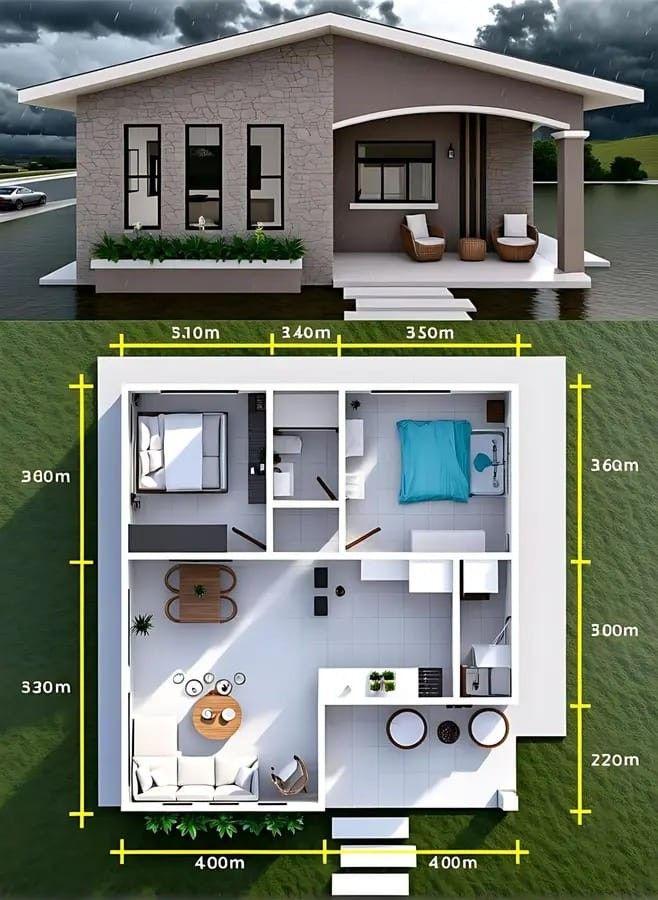
Focus on Daily Life
What matters is how well your home works for you. A smart layout helps your family live better. It creates spaces that fit your needs. Not just more room.
Think about your daily routine. Do you need a workspace? A place for kids to play? A reading spot? A good layout serves these needs. No wasted space.
Think About Your Stuff
Furniture matters. You might have tons of square meters, but weird room shapes that make furniture placement a nightmare. Measure your big pieces first. Picture how they’ll fit in each room.
Smart layout means furniture fits well. Rooms don’t feel cramped or empty. This balance makes everything feel spacious and comfortable.
Check the Flow
Good flow means you move from room to room easily. No extra steps. No detours. No bumping into stuff. Well-designed layout considers how you actually walk through your home every day.
This makes the home feel bigger than it is. Bad flow makes even a big home feel frustrating and cramped.
The “square meter trap” tricks lots of buyers. What matters isn’t the number on paper. It’s how the home fits your life and feels when you walk in.
How Your Home Should Flow: Making Daily Life Easy
How you move through your home matters. A lot. The way rooms connect can make your day smooth. Or it can drive you crazy. Here’s what good flow looks like and why it’s important.
| What to Consider | Why It Matters | What to Look For |
|---|---|---|
| Simple Paths | Saves time, less frustration | Direct routes, easy turns |
| Public vs Private | Works for socializing and privacy | Clear separation that stays open |
| Furniture Fit | Comfortable and usable | Room for furniture and walking |
Moving Through Your Home: Keep It Simple
Picture walking from your front door to the living room. Does it feel natural? Or are you dodging furniture and squeezing through tight spots? Good layout makes sense. It gives you clear paths between rooms. Here’s what works:
- Short, direct routes between your kitchen, dining, and living areas.
- No dead ends or narrow halls that make you do awkward turns.
- Open spaces that guide you without blocking your way.
When your home works with you, not against you, everything gets easier. You save time. You save energy. And daily tasks don’t stress you out.
Public and Private Areas: Getting the Balance Right
Smart homes separate social spaces from private ones. But they don’t waste space doing it. Here’s how:
- Public areas: Living rooms, dining rooms, and kitchens where people gather.
- Private areas: Bedrooms, bathrooms, and quiet spots for alone time.
Good design skips long, dark hallways. Those just eat up space and make homes feel cramped. Instead, use half-walls or furniture to create separation. Keep things open but defined.
This balance works. Family can be together when they want. And they can get privacy when they need it. Your home supports how you actually live.
The Furniture Test: Making Sure Your Stuff Fits
The room size on paper sometimes lies. A room might look big, but feel wrong if your furniture doesn’t fit right. The furniture test shows you if a space actually works:
- Measure your biggest pieces first – sofas, beds, tables.
- Check the walking space around furniture. You need 24-36 inches to move comfortably.
- Think about how furniture placement affects how the room works.
Rooms that pass this test feel right. Not too cramped. Not too empty. Just balanced. This approach makes sure your home feels good and works well.
Here’s the bottom line. Good flow means your home fits your daily life. It’s not about how much space you have. It’s about how well that space works for you. A home with good flow feels bigger because it works better. And that matters more than square footage.
Light and Proportion
When thinking about why layout matters more than size, two factors often get missed: natural light and room proportion. These can change how spacious and comfortable a home feels, even if the square footage is small. Here’s why they matter.
| Factor | Effect on Space Perception | Layout Consideration |
|---|---|---|
| Natural Light | Makes rooms feel up to 30% larger | Position key rooms near windows |
| Ceiling Height | Adds openness and grandeur | Aim for ceilings 9 ft or higher |
| Room Proportion | Affects comfort and furniture fit | Prefer balanced, square/rectangular rooms |
| Open Floor Plans | Enhances light flow and airiness | Connect common areas seamlessly |
Natural Light as a Space Multiplier
Natural light works wonders for any home. It opens up rooms, shows off features, and makes spaces feel fresh. Here’s how:
- Window Placement Matters: Good window placement brings in sunlight throughout the day. South-facing windows (in the northern hemisphere) get the most consistent light. They work best for living rooms and kitchens where you spend most of your time.
- Skylights and Clerestory Windows: These bring light from above. They brighten dark corners and make ceilings look higher.
- Light Colors Reflect More Light: Walls and ceilings in lighter colors bounce natural light around. This makes spaces feel more open.
Smart layouts put the main living spaces near windows. Open-plan designs let light flow through the house.
Balancing Ceiling Height and Floor Area
Proportion matters for how a space feels. It’s not just floor space. It’s how that space relates to ceiling height and room shape.
- Ceiling Height: Higher ceilings create openness. A small room with an 8-foot ceiling feels cramped. Raise it to 10 or 12 feet, and it feels airy.
- Floor-to-Ceiling Ratio: The right balance avoids rooms that feel like narrow tunnels or squat boxes. A room that’s 12 feet wide with a 9-foot ceiling feels balanced.
- Room Shape: Square or slightly rectangular rooms feel natural and are easier to furnish than oddly shaped or very long, narrow rooms.
| Room Dimension Example | Feeling Created | Practical Notes |
|---|---|---|
| 12 ft x 12 ft, 9 ft ceiling | Cozy and balanced | Easy to furnish, good for bedrooms |
| 15 ft x 10 ft, 12 ft ceiling | Spacious and airy | Great for living rooms or kitchens |
| 8 ft x 20 ft, 8 ft ceiling | Narrow and cramped | Difficult furniture placement, avoid |
Look beyond square footage when designing or evaluating a home. A well-proportioned room with good ceiling height feels larger and more comfortable.
How Light and Proportion Work Together
These two don’t work alone. Good natural light plus balanced room proportions can make your brain think there’s more space than there is. Here’s how to spot or create this:
- Use large windows with higher ceilings to fill rooms with light and air.
- Avoid dark corners by placing windows or light sources in the right spots.
- Choose open floor plans that connect rooms so light travels freely.
- Keep furniture scaled right. Bulky pieces can ruin the balance.
The real value of a home isn’t just square footage. It’s how natural light and proportion work within a smart layout to create a space that feels bigger, more comfortable, and livable. These invisible anchors help explain why layout matters more than size.
Natural light, flow, and proportion are key. HousingInteractive curates listings that prove smart design always outperforms size.
Hidden Costs of Poor Layout
When you look at a home, you focus on square meters. But how much of that space actually works for you? Some areas eat up space without giving you anything back. Think hallways that go nowhere. Weird columns in the middle of rooms. Storage that doesn’t store much. These things cost you money and make your home less useful.
| Hidden Layout Issue | Approximate Space Lost | Effect on Livability | What to Look For |
|---|---|---|---|
| Hallway Tax | 10-15% of floor area | Less usable living space, inefficient flow | Short, direct hallways; minimized corridors |
| Awkward Columns & Angles | Up to 10% | Limits furniture placement, awkward spaces | Integrated structural elements; open plans |
| Poor Storage Planning | Variable | Clutter, lost living space | Built-in storage; multi-functional furniture |
Hallways That Are Too Big
Hallways connect rooms. That’s fine. But some hallways are way too big. You pay for space you just walk through.
- How much space do hallways take? They can eat up to 10-15% of your home. Sometimes more if the layout is bad.
- Why does this matter? More hallway space means less living space. Less room for your stuff. Less room for life.
- What to look for: Short paths between rooms. Avoid homes with long corridors that feel like airports.
- Example: You buy a 100 sqm home. The hallway is 15 sqm. You just paid for 15% of the space you can’t really use.
Awkward Columns and Angles
Some homes have columns and beams in weird spots. Or walls that jut out at strange angles. They mess up your rooms.
- How much space gets wasted? These things can make 10% of your space useless.
- Why should you care? You can’t put furniture where you want. You get weird corners that don’t work for anything.
- What to watch for: Look for open layouts. Or homes where the structural stuff actually helps. Like columns that become built-in shelves.
| Tip: When you visit homes, picture your couch and table. See if they actually fit around these obstacles. |
Storage Intelligence
Storage gets forgotten. But you need places for your things. Bad storage means your living room becomes a closet.
- Why storage matters: You have stuff. Clothes, tools, sports gear. It all needs to go somewhere.
- Smart storage ideas: Built-in closets work well. So does under-stair storage. Furniture that hides things inside. Dedicated spots for everything.
- How it helps: Good storage keeps your home clean. Makes life easier. Gives you more usable space.
- What to ask: Does this home have enough closets? Storage near the front door? Places that can change as your needs change?
Why These Details Matter in the Square Meter Myth
The “square meter myth” assumes all measured space is equally valuable. But these hidden layout issues show that not all square meters contribute equally to how a home lives. A smaller home with a smart layout and minimal wasted space will always feel more spacious and functional than a larger home burdened by hallways, structural intrusions, and poor storage.
When house hunting or designing your home, look beyond the total size number. Focus on how every square meter contributes to your lifestyle, comfort, and daily routines. That’s the true value of a well-thought-out layout.
The Flexible Layout
Make a home that changes with you. Flexibility in layout means your space works for different needs. You won’t need expensive changes later.
Adaptive Spaces
Don’t lock rooms into one purpose. A small nook can be an office, reading spot, or craft area. A dining room works for meals but also expands for guests or becomes a homework space.
Here’s why flexible spaces work:
- Flexibility: Your home works for remote work days, family visits, or new hobbies.
- Efficiency: Rooms that do multiple things mean you need less space.
- Comfort: You get what you need when you need it.
Take a guest bedroom with a fold-out desk. Most days it’s your office. Weekends, it welcomes visitors. Or a living room with storage and movable seating. Movie nights with family, game day with friends – same room, different setup.
When viewing units, don’t just look at square meters — look at how the space feels. A 50-square-meter unit with smart layout can live larger than a 60-square-meter one with poor design.
Know What You Can Change
Understanding your home’s bones matters. Not all walls are the same. Some hold up the building – these are load-bearing. Others just divide rooms – these are partitions you can move or remove.
Why this matters:
- Better flow: Moving or removing partitions opens up space and improves movement.
- Future changes: Know which walls can move before you plan big changes.
- Save money: Don’t make expensive mistakes. Ask professionals before knocking down walls.
Benefits of a Flexible Layout
- Better value: Flexible homes attract more buyers and sell for more.
- Grows with you: Your home works as your family as your life changes.
- Less waste: Plan flexible spaces upfront instead of renovating later.
A flexible layout mixes smart design with structural knowledge. It makes a home that works today and keeps working tomorrow.
| Quick Tips: Get a structural check before making changes. This keeps your flexible layout safe and working right. |
Choosing Intelligence Over Bulk
A smarter layout offers significantly better resale value and a higher quality of life. High-functioning spaces reduce daily friction, improve energy efficiency through better ventilation, and allow for versatile furniture arrangements that grow with your needs. When you stop paying for “dead space” and start investing in “smart space,” you maximize the ROI of every peso spent.
HousingInteractive: Curating Intelligent Spaces
We believe that your home should work for you, not the other way around. As the pioneer property portal in the Philippines, we look beyond the basic specs to identify properties that offer superior architectural integrity. We deliver the insights that help you see past the surface, ensuring you choose a home where the layout enhances your lifestyle and protects your long-term investment.
HousingInteractive, the Philippines’ first property portal, delivers property solutions that prioritize the layout and flow. Ready to trade wasted space for a home designed for modern living? Explore our curated listings of expertly designed condos and houses today!