
Real Estate Price vs Value: The Smart Buyer’s Equation
Stop overpaying for the wrong assets. Learn the “Smart Buyer’s Equation” to distinguish between a cheap price tag and true real estate value for long-term growth.
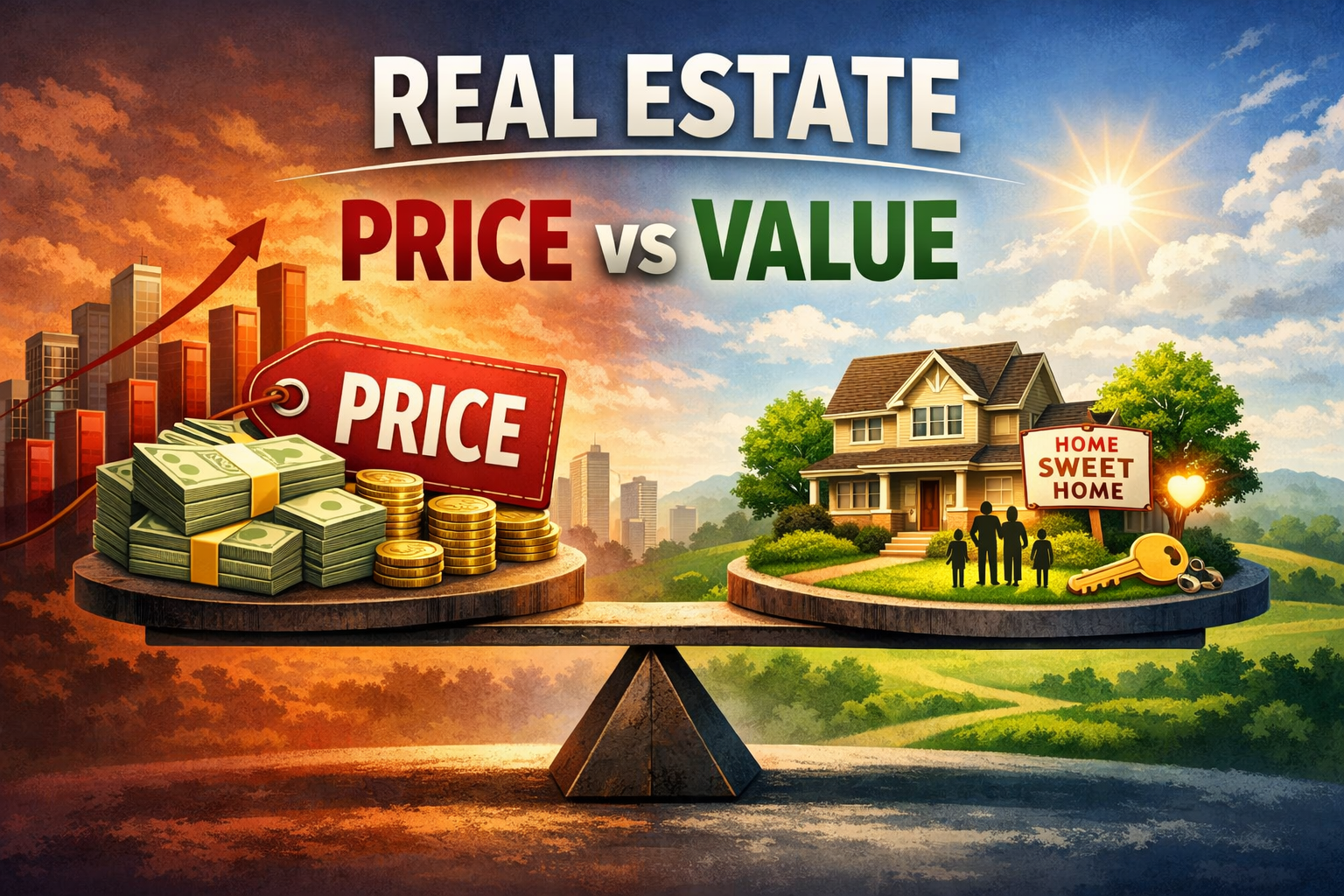
Why “Cheap” is Often the Most Expensive Mistake
When it comes to the real estate market, the lowest price tag can be very tempting. But buying cheap often leads to costly regrets. Let’s break down why “cheap” can be the most expensive mistake you make.
The Trap of the Lowest Price Point
We all love a bargain. The idea of snagging a property at a low price feels like a win. But this mindset can cloud judgment. Focusing only on price ignores the bigger picture: the property’s true value over time. A cheap price today might mean hidden problems, poor location, or limited growth potential.
- Buyers often rush into deals because of low prices.
- Emotional decisions can override logical analysis.
- The cheapest option might have costly repairs or low resale value.
The Difference Between Cost and Value
Cost is what you pay upfront. Property value is what you gain in the long run. These two are not the same.
| Term | Definition | Example |
|---|---|---|
| Cost | The actual purchase price of the property | 2,500,000 for a fixer-upper |
| Value | The benefits and returns you get over time | Increased equity, rental income, appreciation |
Cost is like a sticker price. Value is what you actually get. A cheap property might be in a bad spot or need lots of work. That hurts its real value down the road. But a pricier property in a good location with solid quality? It can go up in value big time.
The Smart Buyer’s Equation
To avoid the cheap trap, use this simple formula:
| Value = (Quality + Location + Growth Potential) – Price |
- Quality: Condition of the property, materials, and craftsmanship.
- Location: Proximity to amenities, schools, transport, and neighborhood trends.
- Growth Potential: Future developments, infrastructure, and market trends.
- Price: The amount you pay.
This equation helps you see beyond the price tag to the real value you’re getting. A property with great quality and location, but at a fair price, offers the best investment.
Key Takeaways
- A low price can hide expensive problems.
- Think about what you get long-term, not just what you save today.
- Use the Smart Buyer’s Equation to check everything about a property.
- Spending more now often saves you money and headaches later.
Look at value, not just price. That’s how you make better real estate choices. Don’t go for cheap stuff. Put your money where value actually grows.
Decoding the Layout: Square Footage vs. Livability
When it comes to real estate, bigger isn’t always better. The layout of a property can have a huge impact on its livability and ultimately, its resale value. Let’s see why an efficient, well-designed space often beats sheer square footage and what makes a property layout truly valuable.
Why a “Small” Efficient Layout Often Beats a “Large” Poorly Designed One
It’s easy to assume that a larger home means more value. But if the space isn’t used well, more square footage can actually hurt livability and market appeal.
- Efficient use of space: Smaller homes with smart layouts maximize usable areas. Rooms flow logically, and every square foot serves a purpose.
- Avoiding “dead space”: Large homes often have wasted areas like long hallways or awkward corners that don’t add function.
- Lower maintenance and utility costs: Smaller but well-planned homes cost less to maintain and heat/cool, which buyers appreciate.
- Better comfort: A compact, cozy home can feel more inviting than a sprawling, disconnected one.
Today, buyers tend to prioritize functional space over total square footage. A home with 1,200 sq ft of well-designed living space is often more desirable than 1,800 sq ft of poorly planned rooms.
The Impact of Natural Light, Ventilation, and “Dead Space” on Resale Value
Natural light and ventilation are key factors that influence both livability and property value.
- Natural light: Bright spaces feel larger and more welcoming. South-facing windows and open floor plans help flood rooms with daylight.
- Ventilation: Good airflow reduces moisture and improves indoor air quality, making a home healthier and more comfortable.
- Dead space: Areas that don’t serve a clear function, like oversized foyers, narrow corridors, or awkward closets, can reduce usable living area and frustrate buyers.
A home with ample natural light and fresh air typically commands a higher sales price. Properties with well-lit, airy rooms can see an increase in value compared to darker, poorly ventilated homes. Bright, open homes sell for more than dark, stuffy ones. This shows how much we really want to be around natural light and nature, even if we don’t think about it.
What Makes a Property Layout Valuable?
Here’s a quick checklist of features that make a layout truly valuable to buyers:
- Minimal hallways: Hallways are necessary, but should be kept short and minimal to maximize usable space.
- Open-plan flow: Combining living, dining, and kitchen areas creates a spacious feel and improves social interaction.
- High ceiling height: Taller ceilings add volume and make rooms feel larger and more luxurious.
- Strategic storage: Built-in closets, pantries, and storage nooks help keep the home organized without wasting space.
When evaluating a property, remember that square footage is just one piece of the puzzle. A smaller, well-designed layout often delivers more comfort, functionality, and future resale value than a larger, awkwardly planned home. Prioritize natural light, ventilation, and smart design features to get the best bang for your buck.
By focusing on livability over sheer size, you can avoid paying for wasted space and invest in a property that truly fits your lifestyle and grows in value over time.
The Hidden ROI of Property Maintenance
Property maintenance gets ignored. But it shouldn’t. A maintained building keeps its value and can increase what you paid for it. Skip maintenance, and you’ll pay more later. Repairs cost money. And they eat into your profits. Building maintenance gives you a return on your investment. Most people don’t see it coming.
How a Well-Managed “Premium Tower” Preserves Your Capital
Investing in a premium tower with strong maintenance practices means your property holds its value better over time. Here’s why:
- Durability: Regular upkeep prevents structural degradation, extending the building’s lifespan.
- Aesthetic Appeal: Clean, updated common areas attract and retain quality tenants or buyers.
- Higher Resale Value: Buyers pay a premium for buildings with documented maintenance histories.
- Lower Unexpected Costs: Proactive repairs avoid expensive emergency fixes.
Studies show that well-maintained buildings can command higher sale prices compared to similar but poorly maintained properties in the same area.
The “Degradation Trap”: Why Low HOA Fees Can Lead to High Repair Costs
Low homeowners association (HOA) fees might seem like a bargain, but they can be a red flag for future expenses. Here’s the catch:
- Underfunded Maintenance: Low fees often mean the sinking fund isn’t sufficient for major repairs.
- Deferred Repairs: Small issues get ignored until they become costly problems.
- Value Decline: Neglected maintenance decreases property desirability and price.
- Special Assessments: Owners might face unexpectedly large fees to cover emergency repairs.
So, while a low HOA fee might save money short-term, it can cost much more in the long run.
Checklist for Building Maintenance Due Diligence
- Obtain recent financial statements and reserve studies.
- Ask about upcoming repair projects and funding plans.
- Interview board members or property managers about maintenance policies.
- Review minutes from HOA meetings for maintenance discussions.
By thoroughly assessing these factors, you reduce the risk of unexpected expenses and protect your investment’s value.
Key Takeaway
A building’s maintenance status directly influences its market price and actual market value. Investing in properties with strong maintenance practices and healthy reserves means you’re buying peace of mind and higher future sales potential.
A slightly higher price for a premium tower can mean a stronger value later.
Maintaining your investment isn’t just about fixing problems. It’s about creating demand, keeping value, and making sure your real estate business does well when others compete for the same market. Additionally, dealing with climate risks to old buildings has become important for real estate development. Taking action early helps protect what your property is worth and keeps it strong against weather and environmental problems for years to come.
Developer Reputation: Buying Peace of Mind
When it comes to real estate, the developer’s reputation can be just as important as the property itself. Think of it as an insurance policy for your investment. A trusted developer often means fewer headaches, higher quality, and better resale value down the line.
Why Developer Brand Matters
A well-known developer brings credibility. They have a track record to protect, so they are more likely to deliver on promises. Buyers often pay a premium for projects by reputable developers because it reduces risk.
Some benefits include:
- Quality assurance: Reliable materials and construction standards.
- Timely delivery: Less chance of costly delays.
- Resale value: Properties from respected developers tend to appreciate more.
- Financing ease: Banks and lenders often favor projects by established developers.
Historical Performance: Track Record Speaks Volumes
Before buying, research the developer’s past projects. Did their previous developments appreciate or stagnate? Here’s what to look for:
- Price appreciation: Compare initial launch prices to current market prices.
- Project completion: Were projects finished on time and as promised?
- Customer feedback: Reviews and testimonials from past buyers.
- Maintenance and management: How well are completed projects maintained?
For example, a developer whose projects have seen an average 10-15% annual price increase over five years signals strong value growth potential.
Risks with “No-Name” or Budget Developers
Buying from unknown or budget developers can be tempting due to lower prices. However, this comes with risks:
| Risk Factor | Potential Impact |
|---|---|
| Construction quality | Poor workmanship leads to repairs and devaluation |
| Delays | Extended waiting periods, increased costs |
| Lack of transparency | Difficulty in tracking project progress |
| Financing hurdles | Banks may hesitate to finance such projects |
These issues can erode your investment’s value and cause stress.
How to Vet a Developer Before Buying
Here are practical steps to ensure you’re dealing with a reputable developer:
- Check licenses and certifications: Verify legal compliance.
- Visit completed projects: See quality firsthand.
- Speak to existing residents: Get honest opinions.
- Review financial stability: Look for news on financial health or legal disputes.
- Consult real estate agents: They often have insider knowledge.
Key Takeaway
Choosing a developer with a strong reputation isn’t just about the building; it’s about buying peace of mind. It helps protect your investment, reduce risks, and maximize long-term returns in a competitive market.
Location vs. Neighborhood Evolution: Unlocking Real Estate Value
Understanding the difference between location and neighborhood evolution is key to making smart real estate investments. It’s not just about where the property sits today, but how the area is changing and what that means for future value.
The “Worst House on the Best Block”
You’ve probably heard this phrase before: “The worst house on the best block.” It’s a classic real estate concept that highlights opportunity.
- Why it matters: Even if a house needs work, being in a desirable location can mean big upside.
- Investment potential: Buying a fixer-upper in a sought-after area often leads to higher returns than buying a perfect home in a less desirable spot.
- Market dynamics: Neighborhood desirability drives demand, which influences both market price and market value.
A property that looks rough but is on a block known for great schools and amenities can sell for 10-20% more than similar homes in less attractive areas once renovated.
Identifying “Value Pockets”
“Value pockets” are hidden gems. These are areas where infrastructure improvements or community developments are underway, but prices haven’t caught up yet.
- What to look for: New transit lines, planned parks, commercial developments, or schools.
- Why it’s smart: Early investors in these pockets often enjoy significant appreciation before the wider market reacts.
- Example: A neighborhood near a planned subway extension might currently have affordable prices, but once the transit opens, demand and prices usually surge.
Recognizing these signs can help you buy property at a fair market price before it gains a higher market price due to increased demand.
The Role of Proximity to Key Amenities
Location isn’t just about the physical spot—it’s about what’s nearby. Proximity to transport, green spaces, and commercial hubs heavily influences property values.
- Transport access: Properties near bus stops, train stations, or major highways often command premiums of 10-40%.
- Green spaces: Parks and recreational areas improve livability and can increase property values by up to 15%.
- Commercial hubs: Close access to shopping, dining, and entertainment attracts buyers and renters, boosting demand.
Homes within a 10-minute walk to transit or parks sell faster and at higher prices than those farther away.
These amenities create convenience and lifestyle benefits that buyers pay for, directly impacting market value beyond just the asking price.
Why Address Still Matters in Real Estate
Certain factors like amenities and neighborhood features certainly influence property value. However, the actual address plays a crucial role in determining what a property is truly worth. The address shapes buyers’ perceptions: Is it prestigious? Is it safe? Is it easily accessible? These considerations strike at the core of buyer interest, directly impacting both the desirability of the property and the price buyers are willing to pay.
- Prestige and reputation: Certain streets or districts carry a cachet that can elevate property values substantially.
- Safety and security: Addresses in well-regarded, low-crime areas attract more buyers and command higher prices.
- Accessibility: Proximity to main roads, public transport, and essential services tied to the address enhances convenience.
- Resale potential: Properties with desirable addresses often sell faster and at better prices due to sustained demand.
Even within the same neighborhood, the address can make a meaningful difference in both market price and market value. Buyers often look beyond the property itself to the address as a key indicator of quality and long-term investment potential.
Key Takeaways:
- The best location isn’t always about the current condition but the neighborhood’s evolution and potential.
- Look for “value pockets” where infrastructure and community improvements signal future growth.
- Proximity to transport, green spaces, and commercial hubs significantly influences both market price and market value.
When you know what to look for, you can find properties that are good deals now and worth more later. This way helps you skip the expensive mistakes and put your money where it actually makes sense.
How to Calculate Future Value Growth
Understanding how to calculate future value growth is key to making smart real estate investments. It helps you see beyond today’s price and predict how your property might appreciate over time.
Analyzing Historical Price Trends in Specific Districts
Looking at past price trends in a neighborhood or district gives you clues about future growth. Here’s why it matters:
- Track record of appreciation: Areas with steady price increases over 5-10 years often continue to grow.
- Market cycles: Real estate markets go through ups and downs. Knowing where a district is in its cycle helps forecast future value.
- Local developments: Past trends often reflect infrastructure projects, new businesses, or community improvements that drive prices up.
Want to spot trends? Start with your local MLS data. Check government property records too. Real estate market reports work well. Plot how prices changed over several years. You’ll see patterns emerge. This helps you find “value pockets.”
How Inflation Affects Real Estate as a Protection Against Rising Prices
Inflation makes your money worth less over time. Real estate helps protect you from this. Here’s why:
- Property prices go up: When everything costs more to build, and land gets pricier, property values follow.
- You can raise rent: If you’re a landlord, you bump up rent when prices rise. Your income keeps pace.
- Your mortgage stays the same: Got a fixed-rate loan? Your monthly payment never changes. But your property gets more valuable, and rents go up.
Historically, real estate prices have increased at an average rate slightly above inflation, making it a reliable store of value. However, inflation effects vary by location and property type. High inflation periods can also bring higher interest rates, which may cool demand temporarily.
For a more detailed exploration of growth areas, be sure to check out our previous guide on Timing the Market: When to Buy or Rent Properties. This valuable resource reveals how knowing the right time to buy or rent can help you minimize risks and maximize your returns.
You can’t predict future value growth perfectly, but look at past data, inflation trends, and economic signs. This way, you make smarter choices and don’t get stuck buying just because the price looks good today.
Many property seekers fall for the lowest price, but the wise ones look at value.
HousingInteractive: Data-Driven Real Estate Decisions
Real estate guesswork costs money. We use data analysis to help you make better investment choices. Here’s how it works.
How Data Analysis Removes the Guesswork
Real estate markets are complicated. Prices change because of supply, demand, interest rates, and local economics. Without good data, you can easily get the value wrong.
- We use market data like recent sales, neighborhood trends, and economic indicators.
- Our tools track price changes over time to spot patterns and growth potential.
- We look at property features, location quality, and maintenance history to find fair market value.
- This helps you avoid overpaying for problem properties or missing out on good deals.
Fact: Properties analyzed with data methods sell faster and closer to the actual market value.
Vetting Properties Based on Long-Term Appreciation Metrics
Buying a property is a long-term commitment. That’s why we focus on metrics that predict future value growth, not just current market price.
Key metrics we use include:
| Metric | What It Measures | Why It Matters |
|---|---|---|
| Historical Price Trends | Past sales price changes in the area | Indicates neighborhood stability and growth |
| Rental Yield | Income generated relative to property price | Shows cash flow potential for investors |
| Infrastructure Projects | Planned or ongoing developments nearby | Can boost property demand and appreciation |
| Walkability Scores | Ease of access to amenities and transport | Higher scores often correlate with higher prices |
By vetting properties through these lenses, we help you find assets that are likely to appreciate, creating real value beyond the initial selling price.
Frequently Asked Questions (FAQ)
Navigating the real estate market can be tricky. Here are answers to some common questions that help clarify the difference between price and value and guide your investment decisions.
Is a Higher Price Always a Sign of Better Value?
Not necessarily. A higher price might reflect premium features, a prime location, or strong demand. But it could also mean the property is overpriced relative to its actual benefits.
- Example: A house near top schools and transit might command a higher market price that aligns with its higher market value.
- Counterexample: A home with cosmetic upgrades but structural issues might have a high asking price but a lower true value.
Tip: Always compare the selling price with the appraised value and consider the property’s long-term growth potential.
How Do I Check a Developer’s Track Record?
A developer’s reputation can significantly impact property value and your peace of mind.
Steps to vet a developer:
- Research past projects: Look for timely completions and quality construction.
- Read reviews and testimonials: What do previous buyers say?
- Check for legal or financial issues: Public records and news sources can reveal red flags.
- Consult real estate professionals: Agents often have insider knowledge about developers.
Fact: Properties built by reputable developers often have higher resale values and attract more buyers.
What Are the Red Flags in a Property’s Maintenance History?
Maintenance affects both market price and actual market value. Poor upkeep can lead to costly repairs and reduce buyer interest.
Watch out for:
- Deferred repairs or frequent emergency fixes.
- Low HOA or maintenance fees that don’t cover necessary expenses.
- Lack of documentation on past maintenance or reserve funds.
- Signs of water damage, mold, or pest infestations.
Regular maintenance and transparent records preserve property value and attract serious buyers.
Investing Where Value Grows
The “Smart Buyer’s Equation” helps you buy real estate without getting burned. Don’t just look at the price tag. Think about what the property will be worth later. Check the quality, location, and whether the area is getting better. This keeps you from buying cheap places that need tons of work or won’t go up in value. Good real estate investing is simple. Buy properties built well, in good spots, with room to grow. These make more money over time than the cheap ones. You’ll get better rent and the property will be worth more down the road.
At HousingInteractive, we analyze the market trends, so you invest where value grows, not fades.
HousingInteractive: Your Lens for True Market Value
We believe that price is what you pay, but value is what you keep. As the pioneer property portal in the Philippines, we provide the historical data, neighborhood trends, and professional appraisal networks needed to solve the equation. We help you look past the sticker price to find the hidden gems in Makati, BGC, and beyond that, offer the best long-term ROI.
HousingInteractive, the Philippines’ first property portal, delivers property solutions that bridge the gap between price and value. Don’t just buy a property—invest in a future that grows. Use our expert insights and verified listings to find your next high-value investment today!