Protecting Your Property from Water Damage: The Ultimate Preventive Guide
You know that sound? When the rain stops being just background noise and turns into a heavy, steady drumming on your windows? For most people, it’s a perfect excuse to grab a coffee and relax. But if you own or rent a place, that sound can sometimes make your stomach do a little flip.
You start wondering: Did I actually clear the balcony drain? Is that faint spot on the ceiling getting darker, or is it just the lighting?
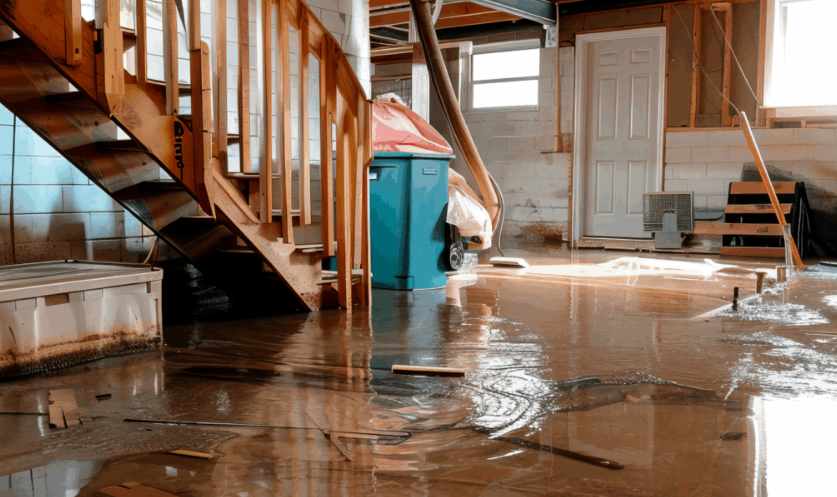
Water is sneaky. It doesn’t usually barge in through the front door; it creeps through a hairline crack in a window seal or a backed-up pipe you forgot existed. Honestly, protecting your property from water damage isn’t about being paranoid; it’s about being smart before the clouds turn grey.
Why Water Damage is a Silent Property Killer
Most people think water damage means big disasters. Burst pipes. Flooded kitchens. But that’s not what ruins homes. It’s the small leaks you don’t see.
Here’s what happens. Water seeps behind your wall. You don’t notice. It keeps going for weeks or months. Then you see paint bubbling. You smell something musty. By then, mold has moved in. Mold ruins drywall. It makes you sick. And it spreads fast.
Live in a high-rise? Your bathroom leak becomes your neighbor’s problem. Water flows down. Live in a house? Your foundation takes the hit. Either way, ignoring it costs more than fixing it. Spend a Saturday checking your seals. It’s cheaper than dealing with the mess later.
Home Maintenance Checklist: Interior Basics
Here’s what you need to check. You don’t need special skills to do this.
1. Windows and Thresholds
Check the rubber seals around your windows. Touch them. If they feel hard or break off, they’re done. They won’t keep water out.
- Paper Test: Close your window on a piece of paper. Can you pull it out easily? Then water can get in, too.
2. Plumbing and Appliances
Look under your sinks. Really look. Move the soap and old sponges out of the way. Check for wet spots or water marks on the cabinet floor.
- Washing Machine Hoses: Check these hoses. If they look swollen or worn, replace them. A burst hose dumps gallons of water fast. This happens when you’re not home.
- Supply Lines and Hoses: Check the lines connected to dishwashers, fridges, and water heaters. These wear out over time. High water pressure and pipe wear cause leaks. Replace rubber hoses with steel braided ones every 5-7 years.
3. Condensation Problems
See water on the inside of your windows? That’s poor airflow. This moisture rots wooden frames and damages drywall. Keep air moving, even when it’s humid.
- Use Ventilation: Open windows or run exhaust fans in bathrooms and kitchens. Poor airflow leads to mold. Mold costs money to fix and hurts your health.
- Look for Water Stains: Condensation stains walls and ceilings. These stains warn you about roof leaks or plumbing problems. Fix them before they get worse.
4. Exposed Pipes and Fixtures
Check exposed pipes for rust, leaks, or damage. High water pressure stresses pipes and fittings. Small leaks go unnoticed but cause big damage.
- Know Your Main Water Shutoff: Every adult in your home should know where this is. When a pipe bursts, turn off the water fast. This prevents damage and saves money on repairs.
5. Water Sensors and Leak Detection
Put water sensors under sinks, near water heaters, and by washing machines. These devices alert you when water appears. You catch problems before they become disasters.
- Smart Water Systems: Some systems monitor water flow and pressure. They shut off the water automatically when they detect leaks. This helps when you’re away from home.
6. Regular Maintenance and Repairs
Regular maintenance protects your home from water damage. Check your plumbing system routinely. Look at supply lines, valves, and fixtures. Fix any problems right away.
- Prevention vs. Repair Costs: Catching problems early protects your home and saves money. Small leaks turn into big structural problems and mold if you ignore them.
- Keep Records: Write down plumbing repairs and replacements. Include dates and details. This helps track your system’s condition and helps with insurance claims.
Follow this checklist to reduce water damage risk inside your home. It protects your property value and your family’s health.
Exterior Defense: Keeping the Water Out
If the interior is about containment, the exterior is about redirection. You want water to hit your property and leave as fast as possible.
1. Roofing and Gutters (For House Owners)
Your gutters are your first line of defense. When they’re choked with leaves and old tennis balls, water has nowhere to go but up and under your roof tiles. It’s a messy chore, but doing it twice a year saves you a five-figure repair bill later.
- Check the “Armor”: Scan your roof for missing shingles or cracked flashing (the metal bits around chimneys). These are the most common “backdoors” for leaks.
- Invest in Shields: Consider installing gutter guards. They act as a filter, keeping the big gunk out so water can actually flow.
- The 6-Foot Rule: Ensure your downspouts aren’t just dumping water at the base of your wall. Aim to direct water at least 6 to 10 feet away from your foundation.
2. Balconies and Common Areas (For Condo Owners)
In the city, we often treat balconies like extra closets. But if you have a rug, a bike, or a storage box sitting over your floor drain, you’re basically building a private swimming pool—and that water will find its way under your sliding door.
- Clear the Path: Keep your balcony floor drains completely unobstructed. One plastic bag over a drain can flood a whole unit during a downpour.
- Seal the Threshold: Regularly check the caulking and rubber seals around your sliding glass doors. If the seal is peeling or cracked, it’s an open invitation for seepage.
- Think of the Neighbors: Remember, a flooded balcony doesn’t just hurt your floor; it usually ends up dripping into the unit below you.
3. Foundation and Yard Grading
Water pooling near your foundation is a ticking time bomb. Proper “grading” just means your yard should slope away from your house, not toward it. If you see a mini-lake forming against your wall after a storm, you’ve got a problem.
- Watch the Puddles: Inspect your yard immediately after a heavy rain to see where the water “hangs out.”
- Adjust the Slope: Sometimes a little landscaping goes a long way. Moving some dirt to create a slope can keep your crawl spaces bone-dry.
- French Drains: If the water won’t move on its own, a French drain (a gravel-filled trench with a pipe) is a pro-level way to whisk water away.
4. Typhoon Season Preparations
Typhoon season isn’t just “rainy”, it’s violent. The wind pushes water into gaps that usually stay dry. Preparing your property to withstand these hits is the ultimate “peace of mind” move.
- Fortify the Openings: Reinforce seals around windows and sliding panels. High-pressure winds can literally “push” rain through tiny gaps in a door frame.
- Clear the Debris: Before a storm hits, clear any loose outdoor items: potted plants, chairs, or tools. These can break windows or block vital drainage paths.
- System Check: Ensure your irrigation systems and outdoor faucets are shut off or leak-free. You don’t need extra water saturating the ground when the sky is already dumping inches of rain.
By focusing on these exterior defenses, you can significantly reduce the risk of water damage caused by weather, poor drainage, or neglected maintenance. A proactive approach to your home’s exterior is just as important as interior precautions when it comes to protecting your property from water damage.
How Can I Tell if My Property Already Has Water Damage?
Sometimes the damage is already there. You just need to know what to look for.
- The Sight Test: Look for brown or yellow stains on the ceiling. Check for paint that’s bubbling or peeling. Look at your baseboards. Are they warped or discolored? Check the wallpaper too. If it’s peeling, you might have water damage.
- The Smell Test: Trust your nose. Does it smell musty? Does it smell like mold? That’s moisture trapped somewhere. This smell usually shows up before you can see the damage. Don’t ignore it.
- The Touch Test: Run your hand along the walls near the floor. Does the drywall feel soft? Does the wood flooring feel weird? Check for cold or damp spots on walls and floors. Water makes materials feel different.
- The Bill Test: Did your water bill jump up for no reason? You probably leak. Could be in the walls. Could be underground. Check your bills regularly. It’s an easy way to catch leaks early.
- Additional Signs: Look for mold on walls, ceilings, or corners. Check if doors stick or won’t close properly. Water can make wood swell. Look at your foundation and floors for cracks. Water damage can cause these, too.
Watch for these signs. Catch problems early, and you’ll save money. If you think you have water damage but can’t find it, get a professional to check.
The Owner vs. Tenant Responsibility Matrix
This gets messy fast. When the ceiling drips, everyone asks: “Who pays for this?” Know where the line is. It keeps the peace.
What Owners Must Do
You own it. You fix the big stuff. Leaky exterior wall? Broken roof? That’s yours. You have to keep the place livable. Don’t ignore tenant calls about leaks. Your investment rots while you wait.
- Structural Integrity: Fix the foundation, roof, and seals. Water coming from outside? Your job.
- Preventive Investing: Spend money now on waterproofing and gutters. Skip this and pay more later. Your property value drops, too.
- Shared Systems: Main plumbing and common areas are yours. Burst pipe in the main line? You handle it.
What Tenants Must Do
You live there. You see problems first. Spot a leak and wait three months to tell anyone? Floor gets ruined? You might pay for waiting.
- The “Moment of Discovery”: Report problems right away. A small damp spot today becomes mold tomorrow.
- Basic Care: Don’t block drains with furniture. Don’t flush weird stuff down pipes.
- Appliance Vigilance: Use the washing machine and the dishwasher correctly. Overload them, and they overflow? You pay.
- Ventilation: Open windows. Run exhaust fans. Stop mold before it starts.
The Role of Property Management
Good managers act like referees. They don’t just sit in offices. They walk through buildings. They check drains and pipes. They stop owners and tenants from blaming each other.
- Coordinating Fixes: They handle scheduling plumbers and inspectors. They make sure work gets done.
- Communication: They explain building problems in plain English. Everyone knows what’s happening and why.
- Proactive Inspections: Great managers spot bubbling paint in hallways before tenants see problems in their units.
Professional Waterproofing: Is it Worth the Investment?
In a word: Yes. Think of DIY sealant like a Band-Aid. It might stop a scrape from bleeding for a minute, but it won’t fix an internal injury. When you have water pushing through concrete, you’re dealing with hydrostatic pressure—and that’s a fight you’ll lose without professional backup.
Why DIY Often Fails
You have a crack in your concrete wall. You buy waterproof paint from the hardware store. It doesn’t work. Here’s why.
Real waterproofing works from inside the structure. Not just on the surface.
- The PU Injection: Pros use Polyurethane injection. They pump resin deep into the crack. The resin expands and seals from the inside out.
- Yes, it costs more upfront. But think about this. What costs more? The injection or replacing your kitchen cabinets when the wall leak ruins everything? The pro fix saves money over time.
The Comprehensive Barrier Approach
Professional waterproofing isn’t about plugging holes. It’s about checking everything. Experts look at your property like a doctor examines a patient. They find the real problem.
- Advanced Materials: Pros use waterproof membranes and drainage systems you can’t buy at the store.
- Vulnerability Mapping: They find entry points you’d miss. Foundation joints, basement seams, and porous surfaces that soak up rain.
Protecting Your Property Value
Nobody wants to buy a house that smells damp. Professional waterproofing protects your investment. This matters more if you live where groundwater is high, or typhoons hit hard.
- Mold Prevention: Keep moisture out, and you keep mold out. This protects your walls and your family’s health.
- Structural Integrity: Water contact weakens concrete and rusts rebar. Waterproofing keeps your home’s frame strong for decades.
Long-Term Maintenance Plans
Going pro usually means you get a warranty and a plan. You’re not just getting a fix. You’re getting someone who watches your home’s health.
- Early Detection: Regular maintenance catches problems early. A small issue stays small instead of becoming a flood.
- Expert Inspections: Having a pro check your seals and membranes each year gives you peace of mind during storms.
Emergency Response: What to Do When a Leak Occurs
Don’t panic. Just move fast.
- Stop the Flow: If it’s a pipe, turn off the main water valve. Every adult in the house should know where this is.
- Take Photos: Seriously. Take more than you think you need. Your insurance company will want a “before” and “after” of the mitigation.
- Call the Manager/Landlord: Get it in writing (text or email) so there’s a timestamp.
- Dry it Out: Use every fan you own. Rent a dehumidifier if you have to. You have about 24–48 hours before mold starts its party.
Insurance and Documentation
Check your policy. Most standard plans cover “sudden and accidental” water damage (like a burst pipe) but not “gradual seepage” (the leak you ignored for six months). And “Flood Insurance” is often a separate add-on. Read the fine print now, while it’s dry, so you aren’t surprised when you’re standing in an inch of water.
Proactivity is the Best Defense
At the end of the day, your home is likely your biggest asset. It’s where you sleep, where you keep your favorite things, and where you should feel safest. Letting a little water ruin that seems like a shame, doesn’t it?
Stay proactive. Spend twenty minutes this weekend poking around your window frames and looking under your sinks. It’s not the most exciting way to spend a Saturday, but staying dry feels a whole lot better than dealing with a renovation you didn’t plan for.
Need a hand getting your property in order? Whether you’re an owner looking for a reliable manager or a tenant looking for a better-maintained home, we can help. As the rainy season sets in, water damage becomes one of the biggest concerns for both unit owners and tenants. Check all windows, balcony drains, and seals around your unit — even a small leak can lead to mold or costly repairs. Owners, make sure your property manager inspects regularly. Tenants, report signs of seepage early.
At HousingInteractive, we help bridge communication so preventive measures happen before the problem gets serious. Stay proactive, stay dry, and stay connected.